


Inflammatory Bowel Disease (IBD)

About the disease & condition
Aetiology & Pathophysiology
Aetiology:** Complex interplay of genetic predisposition (e.g., NOD2 gene mutations), dysregulated immune response to gut microbiota, and environmental triggers (e.g., diet, smoking, antibiotics).
Pathophysiology:**
- Crohn’s disease: Transmural inflammation that can affect any part of the GI tract (mouth to anus), often discontinuously (“skip lesions”).
- Ulcerative colitis: Continuous mucosal inflammation limited to the colon, starting at the rectum.
Symptoms & Signs
Common symptoms:**
- Diarrhoea (often bloody in UC, watery in CD).
Abdominal pain/cramping (more focal in CD, left-sided in UC).
Urgency, tenesmus (especially in UC). - Weight loss, fatigue, and fever.
Extra-intestinal manifestations:**
- Joints (arthralgia/arthritis), skin (erythema nodosum, pyoderma gangrenosum), eyes (uveitis, episcleritis).
Red-flag symptoms:**
- Severe abdominal pain, persistent vomiting (suggesting obstruction or toxic megacolon).
- Profuse bleeding, unexplained weight loss, and signs of sepsis.
Diagnosis
Clinical assessment:** Detailed history (symptom pattern, family history), physical exam (abdominal tenderness, perianal disease in CD).
Laboratory tests:**
Fecal calprotectin (to distinguish from IBS).
- CBC (anemia, leukocytosis), CRP/ESR (inflammation), albumin (nutritional status).
- Serology (e.g., ASCA, pANCA; supportive but not diagnostic).
Endoscopy with biopsy (gold standard):**
- Colonoscopy: For visual assessment and histologic confirmation (crypt abscesses in UC, granulomas in CD).
- Cross-sectional imaging: MRI enterography/CT enterography (for small bowel involvement in CD).
- Capsule endoscopy: For suspected small bowel CD.
Management
Induction of remission:**
- Mild-moderate: Aminosalicylates (e.g., mesalamine; primarily UC), corticosteroids (budessonide/systemic).
- Moderate-severe: Biologics (anti-TNF agents like infliximab/adalimumab, anti-integrins, anti-IL-12/23), immunomodulators (thiopurines, methotrexate).
Maintenance therapy:**
- Immunosuppressives/biologics to prevent relapse.
- Dietitian support (e.g., exclusive enteral nutrition in CD).
Surgical options:**
- UC: Colectomy (curative).
- CD: Stricturoplasty, resection for complications (obstruction, fistulae).
Potential Complications
- Local:**
- Strictures, fistulae, abscesses (CD).
- Toxic megacolon, perforation (UC).
- Malnutrition, growth failure (in pediatric IBD).**
- Increased risk of colorectal cancer (long-standing UC/extensive CD).**
- Bone loss (osteoporosis/osteopenia).**
Prevention & Follow-up
Prevention:** No known prevention; smoking cessation reduces CD risk/flares.
Follow-up:**
- Regular monitoring of disease activity (symptoms, biomarkers, endoscopy).
- Vaccinations (avoid live vaccines on immunosuppressants).
- Bone density screening, dermatologic/ophthalmic exams for extra-intestinal manifestations.
- Colonoscopic surveillance for dysplasia in long-standing colitis.
Relevant Specialities
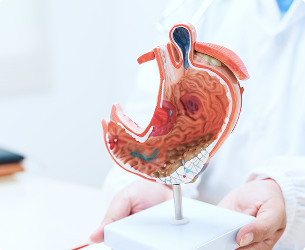
Gastroenterology
Gastroenterology is the specialty focused on the digestive system and its functions.
It supports patients with a wide range of digestive health concerns, helping maintain overall gastrointestinal health and well-being through early identification and long-term management.
At KIMSHEALTH, care is delivered through a patient-centered approach, focusing on accurate diagnosis, prevention, and ongoing support.
Available At
Here for you, every step of the way
Our medical teams bring together advanced expertise with a deeply human approach to care. From everyday care to highly specialised treatment, we ensure you feel informed, reassured, and supported throughout your journey - so your experience with us is seamless and secure.