


Piles (Haemorrhoids) and Anal Fissure

About the disease & condition
Piles (Haemorrhoids):** Vascular cushions in the anal canal that become symptomatic due to swelling, inflammation, or prolapse. Classified as internal (above dentate line) or external (below dentate line).
Anal Fissure:** A small tear or ulcer in the lining of the anal canal, typically in the posterior midline.
Aetiology & Pathophysiology
Piles:**
- Increased pressure in the hemorrhoidal plexus due to straining during defecation, chronic constipation, pregnancy, obesity, or prolonged sitting.
- Weakening of supporting tissues with age.
Anal Fissure:**
- Trauma from the passage of hard stools, diarrhoea, or childbirth.
- Hypertonicity of the internal anal sphincter leads to reduced blood flow and impaired healing.
Symptoms & Signs
Piles:**
- Internal: Bright red rectal bleeding (on wiping or in toilet), prolapse, discomfort.
- External: Pain (if thrombosed), swelling, itching.
Anal Fissure:**
- Sharp, tearing pain during and after bowel movements, often with bright red bleeding on toilet paper.
- Visible tear on inspection; sentinel skin tag may be present.
Red flags:** Persistent bleeding, weight loss, change in bowel habits (to rule out malignancy).
Diagnosis
- Clinical history and visual inspection.**
- Digital rectal examination (avoided in acute fissure due to pain).**
- Anoscopy:** To visualise internal haemorrhoids or fissure.
- Sigmoidoscopy/colonoscopy:** If concerned about colorectal pathology (e.g., unexplained bleeding).
Management & Treatment
Conservative measures (first-line for both):**
- High-fibre diet, adequate hydration.
- Sitz baths (warm water baths) for soothing relief.
- Topical analgesics, steroids (short-term for piles), or barrier creams.
Piles-specific:**
- Rubber band ligation, sclerotherapy, and infrared coagulation for internal haemorrhoids.
- Haemorrhoidectomy for severe or thrombosed cases.
Fissure-specific:**
- Topical nitroglycerin or nifedipine (to reduce sphincter spasm and promote blood flow).
- Botulinum toxin injection or lateral internal sphincterotomy for chronic fissures.
Potential Complications
- Piles:** Thrombosis (painful external haemorrhoid), anaemia (from chronic bleeding), strangulation.
- Anal Fissure:** Chronic fissure, incontinence (rare, from surgical complications), fistula formation.
Prevention & Follow-up
Prevention:**
- Avoid straining during defecation; maintain regular bowel habits.
- High-fiber diet, exercise, weight management.
Follow-up:**
- Most cases resolve with conservative management; reassess if symptoms persist.
- Surgical follow-up as needed for procedural aftercare.
Relevant Specialities
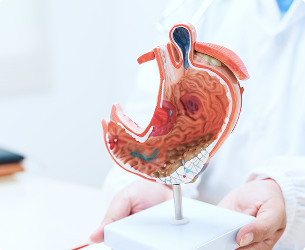
Gastroenterology
Gastroenterology is the specialty focused on the digestive system and its functions.
It supports patients with a wide range of digestive health concerns, helping maintain overall gastrointestinal health and well-being through early identification and long-term management.
At KIMSHEALTH, care is delivered through a patient-centered approach, focusing on accurate diagnosis, prevention, and ongoing support.
Available At
Here for you, every step of the way
Healthcare can feel overwhelming at times. At KIMSHEALTH Bahrain, we believe care should be transparent and supportive, allowing you to move forward with confidence and comfort. You deserve care you can trust, delivered with understanding and respect.
Our medical teams bring together advanced expertise with a deeply human approach to care. From everyday care to highly specialised treatment, we ensure you feel informed, reassured, and supported throughout your journey - so your experience with us is seamless and secure.
Our medical teams bring together advanced expertise with a deeply human approach to care. From everyday care to highly specialised treatment, we ensure you feel informed, reassured, and supported throughout your journey - so your experience with us is seamless and secure.