


Addison's Disease

About the disease & condition
Aetiology & Pathophysiology
- Primary cause:** Autoimmune adrenalitis (most common in developed countries), where the immune system attacks adrenal cortex cells.
- Other causes:** Infections (e.g., tuberculosis, HIV-associated opportunistic infections), adrenal haemorrhage, metastatic cancer, or genetic disorders (e.g., adrenal leukodystrophy).
- Pathophysiology:** Progressive destruction of the adrenal cortex leads to deficient cortisol (glucocorticoid) and aldosterone (mineralocorticoid) production, disrupting glucose metabolism, stress response, electrolyte balance, and blood pressure regulation.
Symptoms & Signs
Common symptoms:** Fatigue, weight loss, anorexia, nausea, abdominal pain, salt craving, and hyperpigmentation (especially in sun-exposed areas, skin folds, and mucous membranes).
Red-flag/severe symptoms:**
- Hypotension (especially orthostatic), syncope.
- Hyponatremia, hyperkalemia.
- Adrenal crisis: Acute hypotension, severe vomiting/diarrhoea, confusion, fever, and loss of consciousness—requires immediate medical intervention.
Diagnosis
Clinical assessment:** History and physical exam focusing on fatigue, hyperpigmentation, hypotension, and electrolyte abnormalities.
Laboratory tests:**
- Low morning serum cortisol.
- Elevated plasma adrenocorticotropic hormone (ACTH).
- ACTH stimulation test (blunted cortisol response confirms diagnosis).
- Electrolyte panels (hyponatremia, hyperkalemia).
Imaging:** Abdominal CT to assess adrenal gland structure (e.g., atrophy, calcifications, masses).
Management & Treatment
Pharmacological:**
- Glucocorticoid replacement: Hydrocortisone or prednisone.
- Mineralocorticoid replacement: Fludrocortisone.
Non-pharmacological:**
- Dietary sodium supplementation.
- Stress-dose steroid adjustment during illness, surgery, or trauma.
- Patient education on medication adherence and sick-day rules.
Potential Complications
Adrenal crisis:** Life-threatening hypotension, shock, and death if untreated.
Chronic complications: Electrolyte imbalances, hypoglycemia, and increased susceptibility to infections.
Reduced quality of life due to persistent fatigue and need for lifelong medication.
Prevention & Follow-up
Prevention:** No known preventive measures for autoimmune cases; early treatment of infections (e.g., TB) may reduce risk.
Follow-up:**
- Regular monitoring of electrolyte levels, blood pressure, and hormone levels.
- Annual assessment of replacement therapy adequacy.
- Patient counselling on emergency steroid use and medical alert identification.
Relevant Specialties

Endocrinology
Endocrinology is the medical specialty that focuses on hormone-related conditions and the body’s metabolic processes.
It supports the management of health conditions influenced by hormonal balance, helping patients maintain overall well-being through long-term monitoring and care.
At KIMSHEALTH, endocrinology care is delivered with a patient-first approach, emphasizing accurate diagnosis, continuous monitoring, and personalized management.
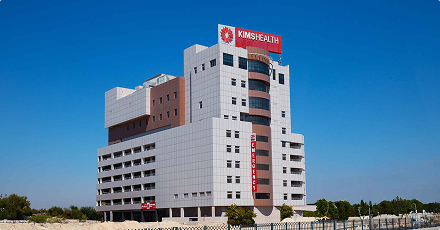
Bahrain
A trusted destination for specialised medical care supported by expert clinical professionals.
KIMSHEALTH Bahrain
6
Facilities
120+
Doctors
25+
Specialities
40+
Services