


Allergies

About the disease & condition
Known Symptoms
- Sneezing, runny nose, or nasal congestion frequently.
- Itchy, watery eyes or swelling around the eyes.
- Skin rashes, hives, or eczema flare-ups often.
- Shortness of breath or wheezing in severe cases.
Known Causes
- Pollen, dust mites, mold, or pet dander exposure.
- Certain foods such as nuts, shellfish, or dairy products.
- Insect stings or bites triggering allergic reactions.
- Genetic predisposition increasing risk of developing allergies.
Care
- Avoid known allergens and maintain a clean environment.
- Take prescribed antihistamines or other allergy medications.
- Use air purifiers and maintain proper ventilation indoors.
- Seek urgent care for severe reactions or breathing difficulties.
Relevant Specialties

Pulmonology (Respiratory Medicine)
Pulmonology is the medical specialty focused on the health of the lungs and the respiratory system.
It supports patients with a wide range of breathing-related conditions and plays an important role in maintaining overall respiratory health through early identification and long-term management. The specialty also contributes to improving quality of life by supporting better breathing and lung function.
At KIMSHEALTH, pulmonology care is delivered through a patient-first approach, focusing on accurate diagnosis, ongoing management, and long-term respiratory well-being.
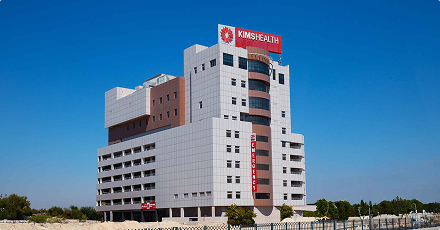
Bahrain
A trusted destination for specialised medical care supported by expert clinical professionals.
KIMSHEALTH Bahrain
6
Facilities
120+
Doctors
25+
Specialities
40+
Services
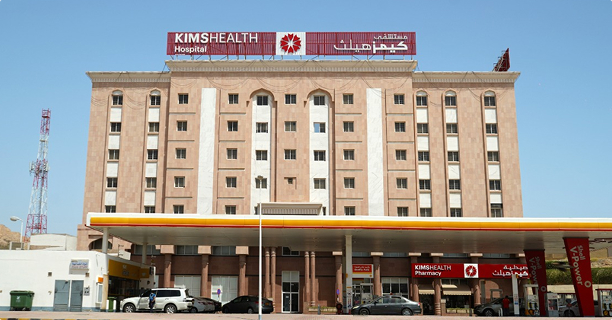
Oman
A trusted destination for specialised medical care supported by expert clinical professionals.
KIMSHEALTH Oman3
Facilities
80+
Doctors
30+
Specialties
20+
Services
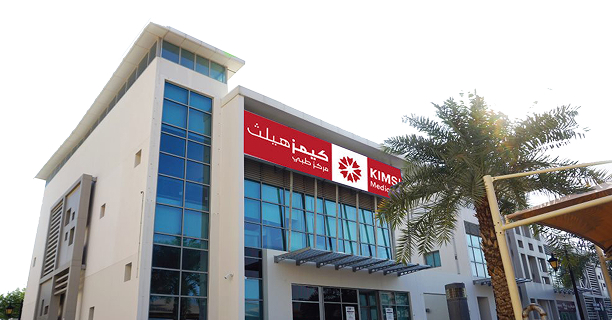
Qatar
Multispecialty medical centers delivering top-notch care to the people of Qatar.
KIMSHEALTH Qatar3
Facilities
50+
Doctors
20+
Specialities
10+
Services
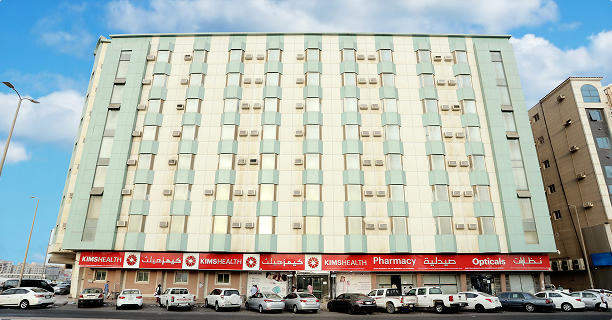
Saudi Arabia
The largest multispeciality clinic in Jubail, offering quality medical care to the citizens.
KIMSHEALTH Saudi Arabia2
Facilities
50+
Doctors
20+
Specialties
10+
Services

UAE
A trusted destination for specialised medical care supported by expert clinical professionals.
KIMSHEALTH UAE2
Facilities
40+
Doctors
15+
Specialties
40+
Services