


Arrhythmias (Irregular Heartbeat)

About the disease & condition
Known Symptoms
- Sudden palpitations or fluttering sensations in the chest.
- Sudden dizziness, lightheadedness, or fainting episodes without warning.
- Shortness of breath during activity or at rest.
- Chest discomfort or anxiety associated with irregular heartbeats.
Known Causes
- Coronary artery disease or previous heart attack damage.
- Electrolyte imbalances involving potassium, calcium, or magnesium levels.
- High blood pressure or structural heart abnormalities congenital.
Excess caffeine, alcohol, smoking, or use of certain medications.
Care
- Regular cardiology checkups and monitoring heart rhythm changes (Holter Studies)
- Taking prescribed medications exactly as advised by physicians.
- Adopting a heart-healthy lifestyle with diet, exercise, stress control.
- Seeking immediate care for severe or worsening symptoms.
Relevant Specialties

Cardiology
Cardiology is the branch of medicine that focuses on the health of the heart and the cardiovascular system, including blood circulation throughout the body.
It plays a key role in identifying and managing conditions influenced by lifestyle, genetics, and other health factors. The specialty supports patients in understanding their heart health, recognizing risk factors early, and maintaining long-term cardiovascular well-being.
At KIMSHEALTH, cardiology care is delivered through a patient-first approach, combining preventive care, accurate diagnosis, and continuous monitoring to support better heart health and improved quality of life.
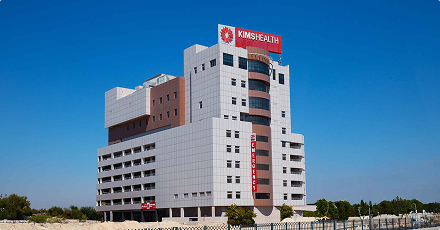
Bahrain
A trusted destination for specialised medical care supported by expert clinical professionals.
KIMSHEALTH Bahrain
6
Facilities
120+
Doctors
25+
Specialities
40+
Services
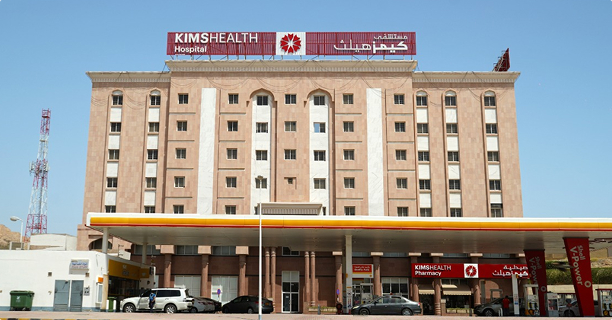
Oman
A trusted destination for specialised medical care supported by expert clinical professionals.
KIMSHEALTH Oman3
Facilities
80+
Doctors
30+
Specialties
20+
Services
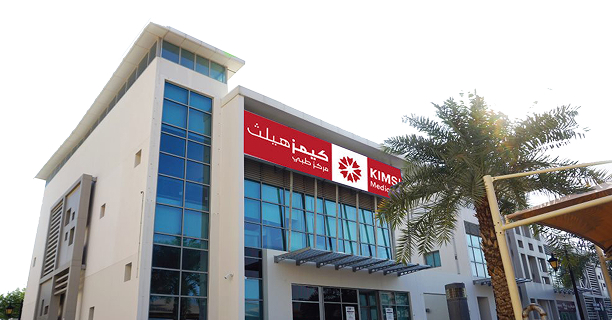
Qatar
Multispecialty medical centers delivering top-notch care to the people of Qatar.
KIMSHEALTH Qatar3
Facilities
50+
Doctors
20+
Specialities
10+
Services

Saudi Arabia
The largest multispeciality clinic in Jubail, offering quality medical care to the citizens.
KIMSHEALTH Saudi Arabia2
Facilities
50+
Doctors
20+
Specialties
10+
Services

UAE
A trusted destination for specialised medical care supported by expert clinical professionals.
KIMSHEALTH UAE2
Facilities
40+
Doctors
15+
Specialties
40+
Services