


Fever

About the disease & condition
Fever is a temporary increase in body temperature, usually caused by an illness or infection. It is a natural response of the immune system to help fight viruses, bacteria, or other harmful substances. A normal body temperature is around 37°C (98.6°F), and a fever occurs when it rises above this level. Fever itself is not a disease but a symptom of an underlying condition and often goes away as the body recovers.
Known symptoms
- Elevated body temperature.
- Chills or shivering.
- Headache or body aches.
- Sweating and fatigue.
Known causes
- Viral or bacterial infections.
- Common illnesses like flu or cold.
- Heat exhaustion.
- Inflammatory conditions.
Care
- Drink plenty of fluids.
- Get adequate rest.
- Use lukewarm sponging if needed.
- Take fever-reducing medicine as advised by a doctor.

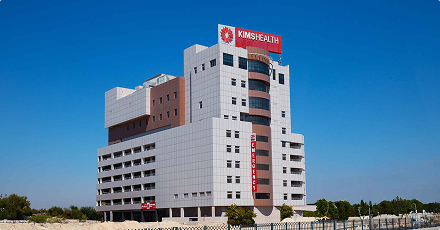
Bahrain
A trusted destination for specialised medical care supported by expert clinical professionals.
KIMSHEALTH Bahrain
6
Facilities
120+
Doctors
25+
Specialities
40+
Services
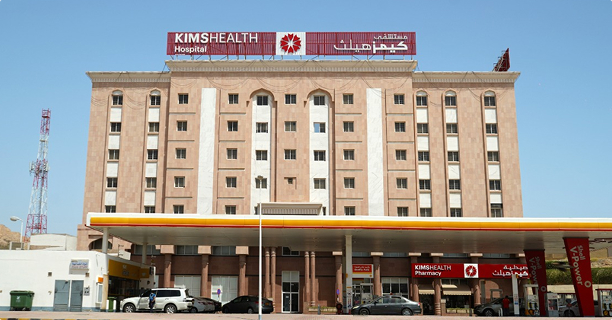
Oman
A trusted destination for specialised medical care supported by expert clinical professionals.
KIMSHEALTH Oman3
Facilities
80+
Doctors
30+
Specialties
20+
Services

Qatar
Multispecialty medical centers delivering top-notch care to the people of Qatar.
KIMSHEALTH Qatar3
Facilities
50+
Doctors
20+
Specialities
10+
Services
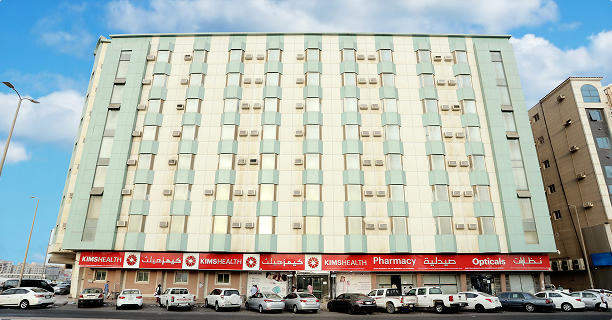
Saudi Arabia
The largest multispeciality clinic in Jubail, offering quality medical care to the citizens.
KIMSHEALTH Saudi Arabia2
Facilities
50+
Doctors
20+
Specialties
10+
Services

UAE
A trusted destination for specialised medical care supported by expert clinical professionals.
KIMSHEALTH UAE2
Facilities
40+
Doctors
15+
Specialties
40+
Services