


Hydrocephalus

About the disease & condition
Known Symptoms
- Infants: Rapid head growth, bulging fontanelle, vomiting, lethargy, “sunsetting” eyes.
Children/adults: Headache, nausea/vomiting, blurred vision, gait instability, cognitive decline, urinary incontinence (especially in iNPH). - Red flags: Signs of increased intracranial pressure (e.g., papilledema, bradycardia, altered mental status).
Known Causes
- Obstructive (non-communicating): Blockage of CSF flow within the ventricular system (e.g., aqueductal stenosis, tumor compression).
- Communicating: Impaired CSF absorption at the arachnoid villi (e.g., post-hemorrhagic, post-meningitic, or idiopathic normal pressure hydrocephalus, iNPH).
- Overproduction (rare): Choroid plexus papilloma.
Pathophysiology: Imbalance between CSF production, flow, and absorption results in ventricular dilation and increased intracranial pressure.
Care
- Prevention: Early treatment of infections (e.g., meningitis), management of prematurity-related IVH. No primary prevention for congenital cases.
- Follow-up: Lifelong monitoring for shunt-dependent patients (symptoms of malfunction/infection).
Regular neuroimaging and developmental assessments (in pediatric cases). Multidisciplinary care (neurosurgery, neurology, rehabilitation).
Relevant Specialties

Neuro Surgery
Our Neuro Surgery Department cares for complex conditions of the brain, spine and nervous system in both adults and children, combining advanced surgical skill with thoughtful, patient-first care. Our experienced neurosurgeons work closely with neurologists, intensivists, radiologists and rehabilitation teams to decide the best treatment path—whether surgical or non-surgical—based on what is safest and most effective for each patient. We manage brain tumours, stroke and trauma emergencies, spine disorders, vascular conditions such as aneurysms and AVMs, epilepsy and nerve pain, using modern techniques including minimally invasive and endoscopic surgery to support faster recovery.
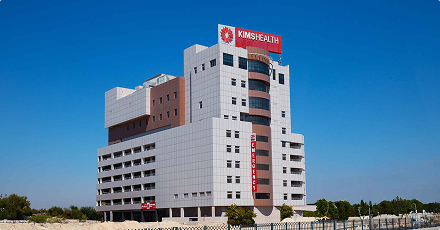
Bahrain
A trusted destination for specialised medical care supported by expert clinical professionals.
KIMSHEALTH Bahrain
6
Facilities
120+
Doctors
25+
Specialities
40+
Services
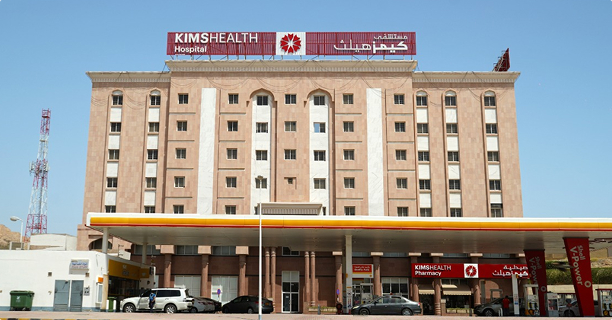
Oman
A trusted destination for specialised medical care supported by expert clinical professionals.
KIMSHEALTH Oman3
Facilities
80+
Doctors
30+
Specialties
20+
Services