


Obesity & Metabolic Syndrome

About the disease & condition
Known Symptoms
- Excess body weight, especially around the abdomen.
- High blood pressure and elevated blood sugar levels.
- Abnormal cholesterol or triglyceride levels in blood tests.
- Fatigue and difficulty performing daily physical activities.
Known Causes
- Poor diet high in calories, sugar, and unhealthy fats.
- Sedentary lifestyle with minimal physical activity.
- Genetic or hereditary predisposition to weight gain.
- Hormonal imbalances affecting metabolism and fat storage.
Care
- Follow a balanced diet with controlled calorie intake.
- Engage in regular physical activity and exercise routines.
- Take prescribed medications for metabolic conditions as advised.
- Monitor blood sugar, blood pressure, and cholesterol regularly.
Relevant Specialties

Internal Medicine
Internal Medicine is a medical specialty focused on the prevention, diagnosis, and management of adult health conditions.
It plays a central role in managing both acute and chronic illnesses, particularly those affecting multiple systems within the body.
At KIMSHEALTH, internal medicine care is guided by a comprehensive, patient-first approach that supports continuity of care and long-term health management.
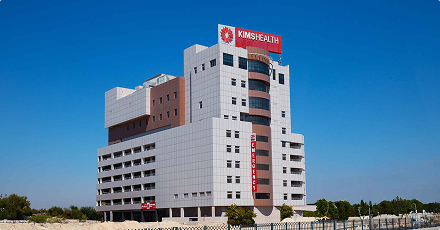
Bahrain
A trusted destination for specialised medical care supported by expert clinical professionals.
KIMSHEALTH Bahrain
6
Facilities
120+
Doctors
25+
Specialities
40+
Services
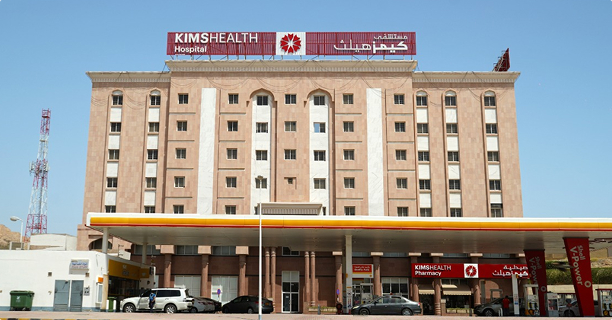
Oman
A trusted destination for specialised medical care supported by expert clinical professionals.
KIMSHEALTH Oman3
Facilities
80+
Doctors
30+
Specialties
20+
Services
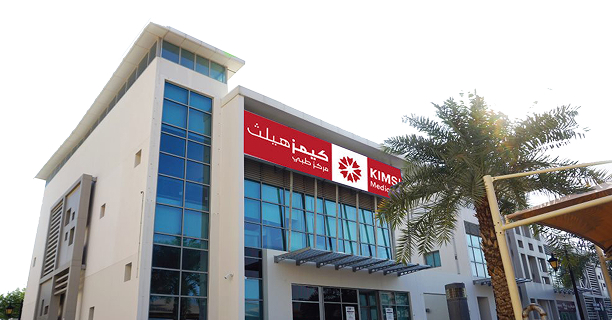
Qatar
Multispecialty medical centers delivering top-notch care to the people of Qatar.
KIMSHEALTH Qatar3
Facilities
50+
Doctors
20+
Specialities
10+
Services
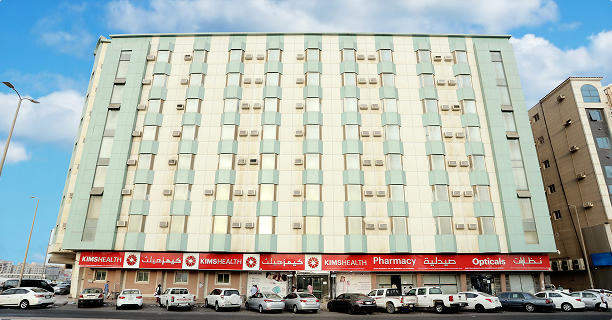
Saudi Arabia
The largest multispeciality clinic in Jubail, offering quality medical care to the citizens.
KIMSHEALTH Saudi Arabia2
Facilities
50+
Doctors
20+
Specialties
10+
Services

UAE
A trusted destination for specialised medical care supported by expert clinical professionals.
KIMSHEALTH UAE2
Facilities
40+
Doctors
15+
Specialties
40+
Services