


Phobia

About the disease & condition
A phobia is an intense, irrational fear of specific objects, situations, or activities that can interfere with daily life.
Common examples include fear of heights, animals, or flying.
Known Symptoms
- Excessive fear or anxiety when exposed to the trigger.
- Physical symptoms such as rapid heartbeat, sweating, trembling, or shortness of breath.
- Avoidance behavior that interferes with work, school, or social life.
Known Causes
- Genetic predisposition and family history of anxiety or phobic disorders.
- Traumatic experiences or negative events related to the feared object or situation.
- Learned behavior from parents or peers who exhibit similar fears.
Diagnosis & Tests
- Clinical evaluation by a mental health professional.
- Structured interviews and questionnaires to assess severity and triggers.
- Rule out other anxiety or medical conditions that may mimic phobic responses.
Complications (If untreated)
- Severe limitations in daily life and social interactions.
- Increased risk of depression, other anxiety disorders, or substance abuse.
- Persistent stress and physical health issues due to chronic anxiety.
Prevention & Management Tips
- Early recognition and mental health evaluation.
- Cognitive-behavioral therapy (CBT) and exposure therapy to gradually reduce fear.
- Medication in select cases under psychiatric supervision.
- Stress management, relaxation techniques, and support from family or support groups.
Relevant Specialties

Mental Health (Psychiatry & Behavioral Medicine)
Mental Health focuses on emotional, psychological, and behavioral well-being.
It supports individuals across all life stages in managing mental health conditions and improving overall quality of life.
At KIMSHEALTH, care is delivered with compassion, confidentiality, and a patient-first approach.
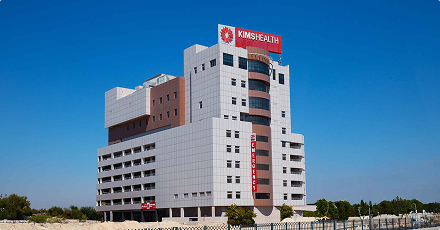
Bahrain
A trusted destination for specialised medical care supported by expert clinical professionals.
KIMSHEALTH Bahrain
6
Facilities
120+
Doctors
25+
Specialities
40+
Services

Oman
A trusted destination for specialised medical care supported by expert clinical professionals.
KIMSHEALTH Oman3
Facilities
80+
Doctors
30+
Specialties
20+
Services

Qatar
Multispecialty medical centers delivering top-notch care to the people of Qatar.
KIMSHEALTH Qatar3
Facilities
50+
Doctors
20+
Specialities
10+
Services