


Polymyalgia Rheumatica (PMR)

About the disease & condition
Known Symptoms
- Classic symptoms: Bilateral shoulder and hip girdle pain and stiffness. Morning stiffness lasting >30 minutes. Acute onset of symptoms (days to weeks).
- Systemic symptoms: Fatigue, low-grade fever, weight loss, malaise.
- Red flags: Headache, jaw claudication, visual changes (suggestive of concomitant giant cell arteritis). Asymmetric symptoms or peripheral arthritis (may indicate other diagnoses).
Known Causes
- Etiology: Unknown, but believed to involve genetic predisposition (e.g., HLA-DR4) and environmental triggers (e.g., infections). More common in women and individuals of Northern European descent.
- Pathophysiology: Systemic inflammation mediated by cytokines (e.g., IL-6) leading to synovitis and bursitis of proximal joints. Possible link to immune system dysregulation and age-related changes.
Care
- Prevention: No known preventive measures; early diagnosis and treatment reduce complications.
- Follow-up: Regular monitoring for symptoms of GCA (e.g., headache, visual changes).
- Bone density monitoring if on long-term steroids. Patient education on steroid side effects and taper adherence.
Note: PMR is a clinical diagnosis supported by labs and response to steroids. It is crucial to rule out GCA due to the risk of permanent vision loss. Collaboration with rheumatology is recommended for complex cases or suspected GCA. Most patients achieve remission, but relapses may require prolonged treatment.
Relevant Specialties

Rheumatology
Rheumatology is the medical specialty focused on conditions affecting the joints, muscles, and immune system.
It supports patients with a range of inflammatory and autoimmune conditions that may impact mobility, comfort, and overall quality of life. The specialty plays an important role in identifying these conditions early and managing them effectively over time.
At KIMSHEALTH, rheumatology care is delivered through a patient-first approach, focusing on accurate diagnosis, ongoing management, and helping patients maintain mobility and long-term well-being.
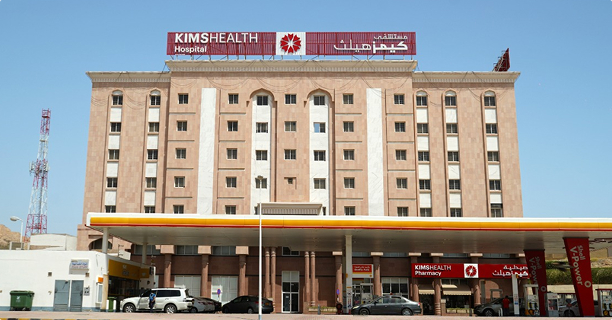
Oman
A trusted destination for specialised medical care supported by expert clinical professionals.
KIMSHEALTH Oman
3
Facilities
80+
Doctors
30+
Specialties
20+
Services