


Pulmonary Embolism (PE)

About the disease & condition
Known Symptoms
- Sudden shortness of breath and rapid breathing.
- Sharp chest pain, often worsened by deep breaths.
- Coughing, sometimes with blood or pink frothy sputum.
- Rapid heartbeat, dizziness, or fainting in severe cases.
Known Causes
- Blood clots from deep veins traveling to lungs.
- Prolonged immobility or long-distance travel increasing clot risk.
- Recent surgery, trauma, or hospitalization for illness.
- Genetic or acquired clotting disorders increasing thrombotic tendency.
Care
- Prompt anticoagulant medications to prevent clot growth.
- Oxygen therapy for low oxygen levels if needed.
- Surgical or catheter-based procedures for large or life-threatening clots.
- Lifestyle modifications and mobility to reduce recurrence risk.
- Preventive care in high risk patients for PE
Relevant Specialties
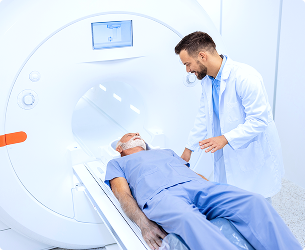
Radiology
Radiology uses imaging to support the diagnosis, evaluation, and monitoring of a wide range of health conditions.
It plays a critical role in helping clinicians understand underlying medical concerns by providing clear and accurate visual insights, supporting informed decision-making across multiple specialties.
At KIMSHEALTH, radiology services are delivered through a patient-first approach, focusing on precision, efficiency, and timely support to ensure effective and coordinated patient care.
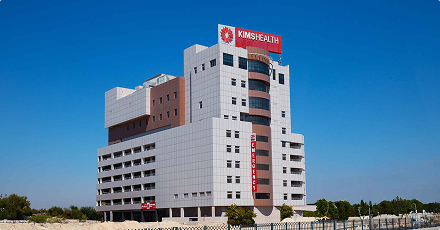
Bahrain
A trusted destination for specialised medical care supported by expert clinical professionals.
KIMSHEALTH Bahrain
6
Facilities
120+
Doctors
25+
Specialities
40+
Services
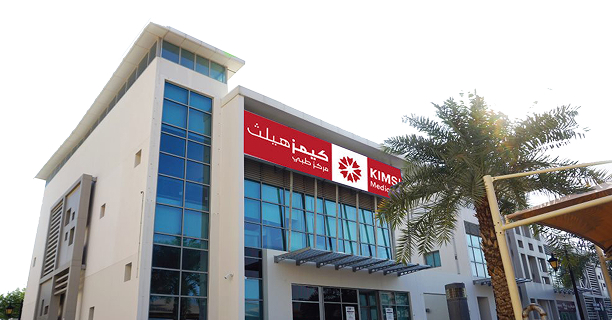
Qatar
Multispecialty medical centers delivering top-notch care to the people of Qatar.
KIMSHEALTH Qatar3
Facilities
50+
Doctors
20+
Specialities
10+
Services
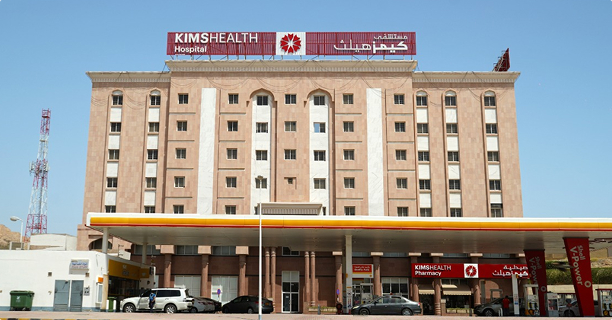
Oman
A trusted destination for specialised medical care supported by expert clinical professionals.
KIMSHEALTH Oman3
Facilities
80+
Doctors
30+
Specialties
20+
Services
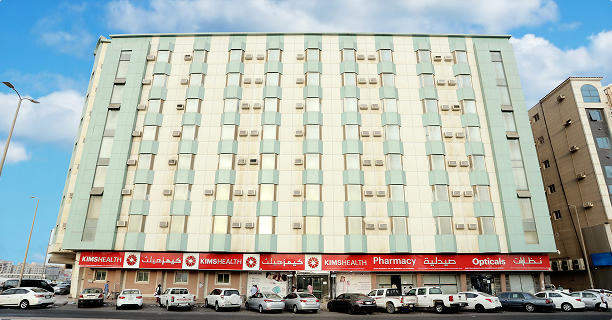
Saudi Arabia
The largest multispeciality clinic in Jubail, offering quality medical care to the citizens.
KIMSHEALTH Saudi Arabia2
Facilities
50+
Doctors
20+
Specialties
10+
Services

UAE
A trusted destination for specialised medical care supported by expert clinical professionals.
KIMSHEALTH UAE2
Facilities
40+
Doctors
15+
Specialties
40+
Services