


Rhinoplasty

About the disease & condition
Known Symptoms
- Aesthetic concerns: Visible humps, drooping or bulbous tip, wide nostrils, crooked nasal bridge.
- Functional impairments: Chronic nasal congestion, snoring, difficulty breathing during exercise.
Red flags (contraindications):
Body dysmorphic disorder, unrealistic expectations, active nasal infection.
Known Causes
- Cosmetic indications: Dorsal hump reduction, nasal tip refinement, width reduction, asymmetry correction.
- Functional indications: Nasal airway obstruction (e.g., deviated septum, valve collapse).
Reconstructive indications:
Post-traumatic deformity, congenital defects (e.g., cleft lip nose), tumor resection. - Contributing factors: Patient dissatisfaction with nasal appearance, age-related changes, and genetic traits.
Care
- Prevention: Careful preoperative planning using computer imaging (to align expectations). Smoking cessation to promote healing.
- Follow-up:
- Short-term: Splint removal at 1 week; monitoring for early complications.
- Long-term: Assessments at 1, 3, 6, and 12 months (final results may take 1 year due to residual swelling).
- Functional testing (e.g., airway patency) if indicated.
Note: Rhinoplasty requires a balance between aesthetic goals and functional integrity. Surgeons must prioritize nasal airway preservation while achieving desired cosmetic outcomes. Revision rates range from 5–15%, often due to unrealistic expectations or healing variations.
Relevant Specialties
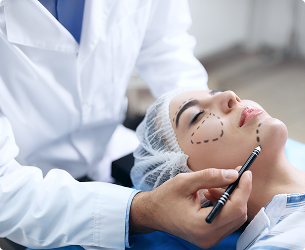
Plastic Surgery
This specialty focuses on restoring form and function, as well as enhancing physical appearance.
It supports patients with both medical and aesthetic concerns, addressing a wide range of needs.
At KIMSHEALTH, care is delivered through a personalized and patient-centered approach, focusing on safety, confidence, and well-being.
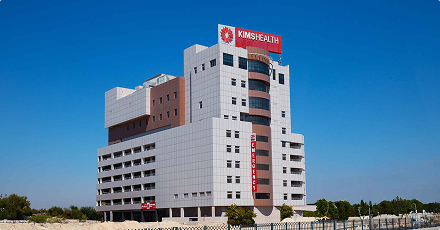
Bahrain
A trusted destination for specialised medical care supported by expert clinical professionals.
KIMSHEALTH Bahrain
6
Facilities
120+
Doctors
25+
Specialities
40+
Services
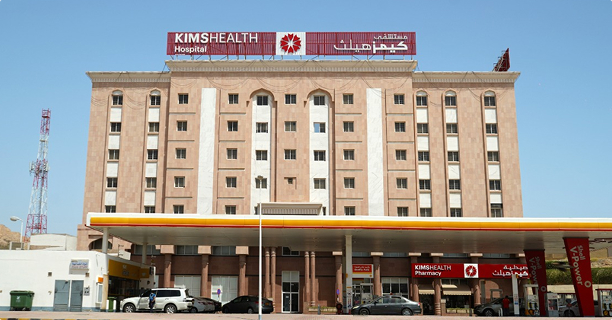
Oman
A trusted destination for specialised medical care supported by expert clinical professionals.
KIMSHEALTH Oman3
Facilities
80+
Doctors
30+
Specialties
20+
Services