


Tummy Tuck (Abdominoplasty)

About the disease & condition
Known Symptoms
- Physical findings: Redundant abdominal skin, subcutaneous fat deposits. Diastasis recti (midline abdominal muscle separation). Striae, scarring, or umbilical hernia.
- Functional concerns: Skin irritation or hygiene issues in skin folds. Core weakness or back pain (due to muscle laxity).
- Red flags (contraindications): Future pregnancy plans, uncontrolled obesity, smoking, significant medical comorbidities.
Known Causes
- Primary indications: Postpartum changes (skin laxity, muscle separation). Significant weight loss with residual skin and fat. Abdominal muscle weakness causing bulging.
- Contributing factors: Aging, genetics, prior surgeries (e.g., C-section).
Care
- Prevention: Smoking cessation for 4–6 weeks pre- and post-surgery. Weight stability prior to procedure. Meticulous surgical technique and drain management.
- Follow-up: Short-term: Drain removal within 1–2 weeks; suture care.
- Long-term: Assessments at 1, 3, 6, and 12 months. Healthy lifestyle maintenance to sustain results.
Note: Abdominoplasty is not a weight-loss procedure. Ideal candidates are near their target weight with stable BMI. Combining with liposuction can enhance contouring but increases swelling/recovery time. Realistic expectations and surgeon expertise are critical for optimal outcomes.
Relevant Specialties

Plastic Surgery
This specialty focuses on restoring form and function, as well as enhancing physical appearance.
It supports patients with both medical and aesthetic concerns, addressing a wide range of needs.
At KIMSHEALTH, care is delivered through a personalized and patient-centered approach, focusing on safety, confidence, and well-being.
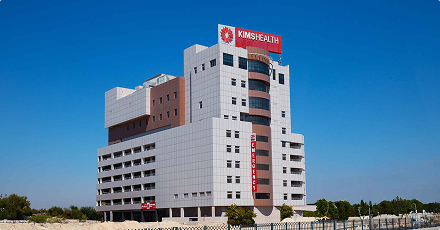
Bahrain
A trusted destination for specialised medical care supported by expert clinical professionals.
KIMSHEALTH Bahrain
6
Facilities
120+
Doctors
25+
Specialities
40+
Services
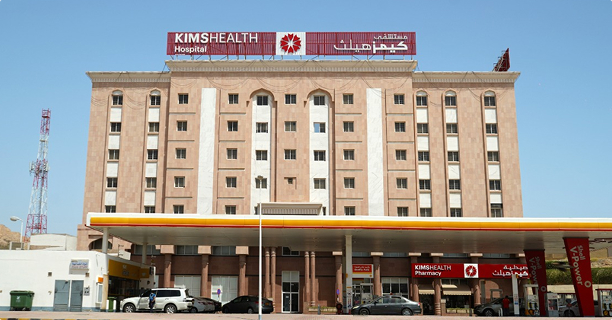
Oman
A trusted destination for specialised medical care supported by expert clinical professionals.
KIMSHEALTH Oman3
Facilities
80+
Doctors
30+
Specialties
20+
Services