


Abdominoplasty (Tummy Tuck)

About the procedure
Abdominoplasty, commonly known as a tummy tuck, is a surgical procedure that removes excess skin and fat from the abdominal area while tightening the underlying muscles. It's particularly beneficial for individuals who have experienced significant weight loss or women who have had multiple pregnancies, as these situations often result in stretched skin and weakened abdominal muscles that cannot be improved through diet and exercise alone. The procedure creates a flatter, more toned abdominal profile and can dramatically improve body contour.
Care before the procedure
- Consultation:
- Discuss goals, incision placement, and extent of correction (e.g., mini vs. full tummy tuck).
- Review before-and-after photos to align expectations.
- Medical Evaluation:
- Disclose medical history, medications, and allergies.
- Lab tests or medical clearance may be required.
- Preoperative Instructions:
- Stop smoking, blood thinners (e.g., aspirin), and certain supplements 2–4 weeks prior.
- Arrange for help during recovery (especially with lifting and childcare).
Maintain stable nutrition and hydration.
Care during the procedure
- Anesthesia: Administered under general anesthesia or deep IV sedation.
- Process: Incisions are made, excess tissue is removed, muscles are repaired, and the navel is repositioned if needed.
- Drains may be placed to prevent fluid accumulation.
- Duration: 2–5 hours, depending on complexity.
Care after the procedure
- Immediate Recovery (First 2 Weeks):
- Wear a compression garment to reduce swelling and support healing.
- Drains are typically removed within 1–2 weeks.
- Sleep with knees bent to reduce tension on the abdomen.
- Avoid standing straight or strenuous activity initially.
- Activity Resumption:
- Light walking is encouraged to promote circulation.
- Avoid heavy lifting, bending, or intense exercise for 4–6 weeks.
- Long-Term Results:
- Scars will fade over 6–12 months but remain permanent.
- Maintain stable weight to preserve results.
Final contour emerges as swelling resolves (3–6 months).
- Follow-Up:
- Attend all post-operative visits to monitor healing.
- Seek prompt care for signs of infection (redness, fever, unusual drainage).
Relevant Specialties
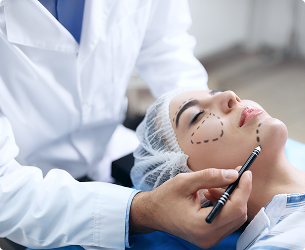
Plastic Surgery
This specialty focuses on restoring form and function, as well as enhancing physical appearance.
It supports patients with both medical and aesthetic concerns, addressing a wide range of needs.
At KIMSHEALTH, care is delivered through a personalized and patient-centered approach, focusing on safety, confidence, and well-being.
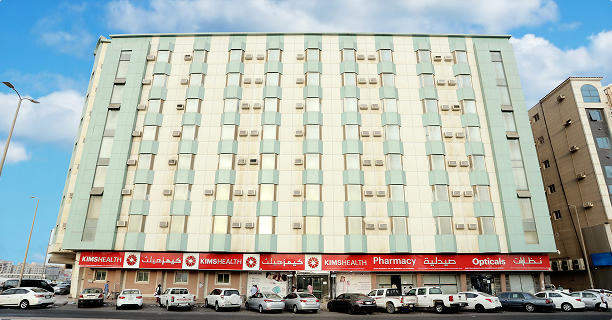
Saudi Arabia
The largest multispeciality clinic in Jubail, offering quality medical care to the citizens.
KIMSHEALTH Saudi Arabia
2
Facilities
50+
Doctors
20+
Specialties
10+
Services
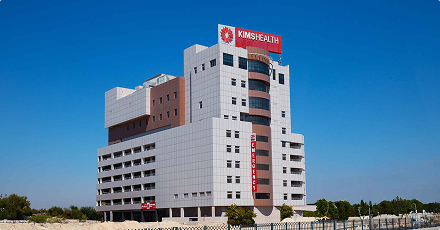
Bahrain
A trusted destination for specialised medical care supported by expert clinical professionals.
KIMSHEALTH Bahrain6
Facilities
120+
Doctors
25+
Specialities
40+
Services