


Blood Pressure Measurement

About the Procedure
Blood pressure measurement is a simple, non-invasive method to assess the force of blood against the walls of the arteries. The procedure involves placing a cuff around the upper arm, inflating it to temporarily stop blood flow, and then slowly releasing the pressure while listening with a stethoscope or using an automatic monitor. The systolic and diastolic pressures are recorded, which help evaluate cardiovascular health. Accurate measurement requires proper positioning, a relaxed patient, and a correctly sized cuff. This procedure is quick, painless, and essential for monitoring heart health.
Care Before the Procedure
- Ensure the patient is calm and rested for at least 5 minutes.
- Avoid caffeine, smoking, or exercise 30 minutes prior to the procedure.
- Sit the patient comfortably with flat feet and back supported.
- Use the correct cuff size for the patient’s arm.
Care During the Procedure
- Position the cuff on the bare upper arm at the heart level.
- Inflate the cuff evenly and slowly.
- Listen carefully for Korotkoff sounds (or monitor readings on digital devices).
- Keep the patient still and quiet to avoid inaccurate readings.
Care After the Procedure
- Record the systolic and diastolic readings accurately.
- Remove the cuff and ensure the patient’s comfort.
- Compare with previous readings to monitor trends.
- Advise lifestyle or medical follow-up if abnormal readings are found.

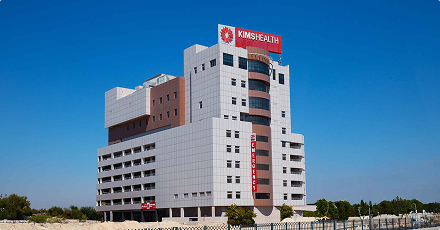
Bahrain
A trusted destination for specialised medical care supported by expert clinical professionals.
KIMSHEALTH Bahrain
6
Facilities
120+
Doctors
25+
Specialities
40+
Services

Oman
A trusted destination for specialised medical care supported by expert clinical professionals.
KIMSHEALTH Oman3
Facilities
80+
Doctors
30+
Specialties
20+
Services
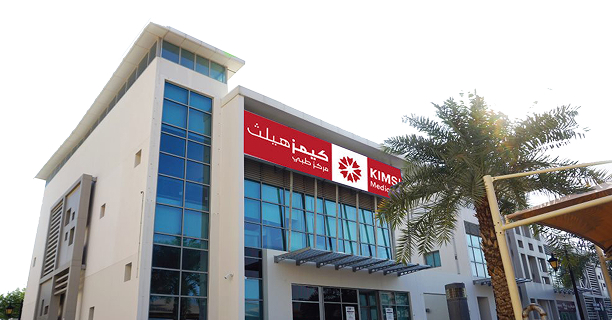
Qatar
Multispecialty medical centers delivering top-notch care to the people of Qatar.
KIMSHEALTH Qatar3
Facilities
50+
Doctors
20+
Specialities
10+
Services

Saudi Arabia
The largest multispeciality clinic in Jubail, offering quality medical care to the citizens.
KIMSHEALTH Saudi Arabia2
Facilities
50+
Doctors
20+
Specialties
10+
Services

UAE
A trusted destination for specialised medical care supported by expert clinical professionals.
KIMSHEALTH UAE2
Facilities
40+
Doctors
15+
Specialties
40+
Services