


Breast Augmentation

About the procedure
Breast augmentation, also known as augmentation mammoplasty, is a surgical procedure designed to increase breast size, improve breast shape, or restore breast volume lost after weight reduction or pregnancy. It's one of the most popular cosmetic procedures worldwide, with options including silicone gel implants, saline implants, or fat transfer. The procedure can address concerns such as naturally small breasts, loss of volume after pregnancy, asymmetry between breasts, or breast volume loss after significant weight loss.
Care before the procedure
- Consultation:
- Discuss goals, implant type/size, incision placement, and positioning (above/below muscle).
- Review before-and-after photos and use 3D imaging if available to visualize potential outcomes.
- Medical Evaluation:
- Disclose medical history, medications, allergies, and previous breast surgeries.
- Baseline mammogram may be recommended for patients over 40 or with a family history of breast cancer.
- Preoperative Instructions:
- Avoid blood thinners (aspirin, NSAIDs), smoking, and alcohol for 2–4 weeks before surgery.
- Arrange for transportation and post-operative support for at least 24–48 hours.
- Fasting (no food or drink) for 8 hours if general anesthesia is planned.
Care during the procedure
- Anesthesia: Administered under general anesthesia or IV sedation.
- Process:
- Incisions are made, and pockets are created for implant placement.
- Implants are inserted and positioned symmetrically.
- Incisions are closed with sutures, and dressings are applied.
- Duration: 1–2 hours, depending on technique and complexity.
Care after the procedure
- Immediate Recovery (First 1–2 Weeks):
- Wear a surgical bra to minimize swelling, support positioning, and promote healing.
- Manage pain and discomfort with prescribed medications.
- Avoid lifting arms overhead, strenuous activities, or sleeping on the stomach.
- Activity Resumption:
- Light activities can resume within a week; avoid heavy lifting and intense exercise for 4–6 weeks.
- Follow-Up:
- Attend post-operative appointments to monitor healing and implant placement.
- Swelling and bruising subside over several weeks; final results emerge in 3–6 months.
- Long-Term Care:
- Perform self-breast exams and schedule routine mammograms as advised.
- Silicone implants require periodic MRI screenings to detect silent ruptures (first at 5–6 years, then every 2–3 years).
- Notify future healthcare providers about implants before medical procedures.
Relevant Specialties
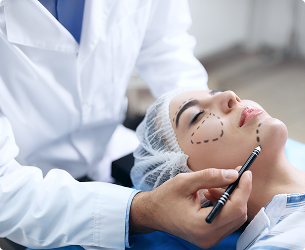
Plastic Surgery
This specialty focuses on restoring form and function, as well as enhancing physical appearance.
It supports patients with both medical and aesthetic concerns, addressing a wide range of needs.
At KIMSHEALTH, care is delivered through a personalized and patient-centered approach, focusing on safety, confidence, and well-being.
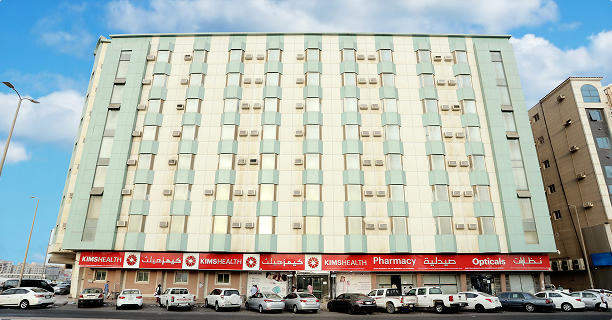
Saudi Arabia
The largest multispeciality clinic in Jubail, offering quality medical care to the citizens.
KIMSHEALTH Saudi Arabia
2
Facilities
50+
Doctors
20+
Specialties
10+
Services
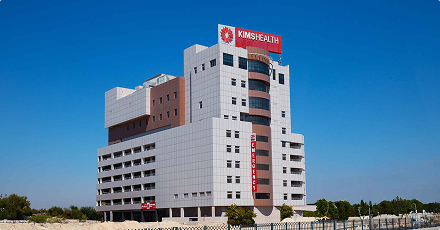
Bahrain
A trusted destination for specialised medical care supported by expert clinical professionals.
KIMSHEALTH Bahrain6
Facilities
120+
Doctors
25+
Specialities
40+
Services