


Computed Tomography (CT) Scan

About the procedure
Care before the procedure
Preparation depends on the type of CT scan being performed.
- Fasting: Required for many abdominal or pelvic CT scans (typically 4-6 hours) to ensure clear images and reduce the risk of nausea if contrast is used.
- Contrast Agent: Many CT exams use an iodine-based contrast dye to enhance the visibility of blood vessels, organs, or tumors. This can be administered:
- Orally: By drinking a liquid.
Intravenously (IV): Through an injection. - Rectally: As an enema (less common). Inform staff of any kidney problems, diabetes, or allergies (especially to iodine or shellfish).
- Medication: Inform your doctor of all medications, especially if you take metformin for diabetes, as it may need to be paused before and after the scan if IV contrast is used.
- Clothing: You will be asked to change into a gown and remove all metal objects (jewelry, glasses, hairpins, dentures), as metal can interfere with the images.
- Pregnancy: Inform the technologist if there is any possibility of pregnancy.
Care during the procedure
The procedure is painless and relatively quick.
- The Process: You will lie on a motorized table that slides into the large, doughnut-shaped opening of the CT scanner. The technologist will operate the scanner from an adjacent room but can see, hear, and speak with you at all times.
- Patient Role: It is crucial to lie very still during the scan, as movement can blur the images. The technologist may give you instructions through an intercom, such as to “hold your breath” for a few seconds during the image capture to prevent motion blur.
- Sensations: The table may move slowly through the scanner. You may hear whirring and buzzing noises. If IV contrast is used, you may feel:
- A metallic taste in your mouth.
- A warm, flushing sensation throughout your body.
- A feeling that you need to urinate.
- These sensations are normal and usually subside within a minute or two.
- Duration: The actual scanning time is typically very short, often less than 30 seconds to a few minutes per body area. The entire process, including preparation, usually takes 10 to 30 minutes.
Care after the procedure
There is typically no recovery time.
- Immediate Aftercare: If no contrast was used or sedation given, you can usually drive home and resume all normal activities and diet immediately.
- IV Contrast: If you receive IV contrast, you will be encouraged to drink plenty of fluids to help flush the contrast agent out of your system through your kidneys.
- Results: A radiologist will analyze the images and send a detailed report to your referring doctor. Your doctor will discuss the results with you, usually within a few days.
- Radiation Safety: While CT scans involve a higher dose of radiation than standard X-rays, the diagnostic benefit far outweighs the small potential risk. Medical facilities adhere to the ALARA principle (As Low As Reasonably Achievable) to use the minimum dose necessary.
- Long-Term Management: CT findings are used to make critical decisions about treatment, surgery, or further testing (like an MRI or biopsy). For chronic conditions, CT may be used at intervals to monitor disease progression or the effectiveness of therapy.
Relevant Specialties
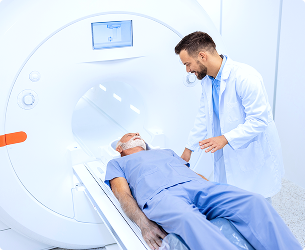
Radiology
Radiology uses imaging to support the diagnosis, evaluation, and monitoring of a wide range of health conditions.
It plays a critical role in helping clinicians understand underlying medical concerns by providing clear and accurate visual insights, supporting informed decision-making across multiple specialties.
At KIMSHEALTH, radiology services are delivered through a patient-first approach, focusing on precision, efficiency, and timely support to ensure effective and coordinated patient care.
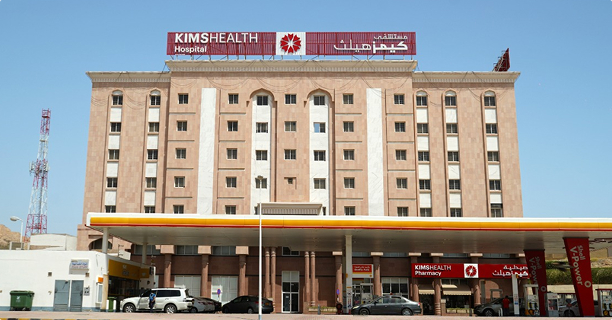
Oman
A trusted destination for specialised medical care supported by expert clinical professionals.
KIMSHEALTH Oman
3
Facilities
80+
Doctors
30+
Specialties
20+
Services
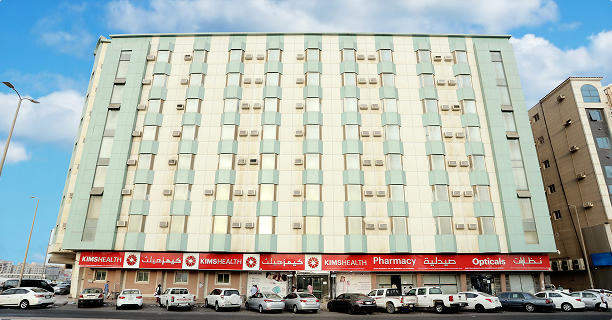
Saudi Arabia
The largest multispeciality clinic in Jubail, offering quality medical care to the citizens.
KIMSHEALTH Saudi Arabia2
Facilities
50+
Doctors
20+
Specialties
10+
Services