


Diagnostic Tests & Biopsies

About the procedure
Care before the procedure
- Provide full medical history and current medications.
- Fast or avoid certain medications if instructed (especially for blood tests or imaging with contrast).
- Arrange for transport or assistance if sedation is required.
- Follow specific pre-test preparation instructions given by your doctor.
Care during the procedure
- Diagnostic tests: May involve blood draw, imaging, or sample collection.
- Biopsies: Local anesthesia or sedation may be used; tissue sample is taken via needle, endoscopy, or minor surgery.
- Sterile techniques are followed to prevent infection.
- Procedure duration varies depending on the test type.
Care after the procedure
- Rest if sedation or anesthesia was used.
- Monitor the biopsy site for bleeding, swelling, or infection.
- Follow post-test instructions for medications or activity restrictions.
- Discuss results and next steps with your healthcare provider once available.
Eligibility
- Individuals with unexplained symptoms or abnormal test results.
- Patients with suspected tumors or growths.
- Monitoring progression of chronic diseases.
- People requiring pre-surgical evaluation or treatment planning.
- Follow-up for treatment effectiveness or disease recurrence.
Relevant Specialties

Internal Medicine
Internal Medicine is a medical specialty focused on the prevention, diagnosis, and management of adult health conditions.
It plays a central role in managing both acute and chronic illnesses, particularly those affecting multiple systems within the body.
At KIMSHEALTH, internal medicine care is guided by a comprehensive, patient-first approach that supports continuity of care and long-term health management.
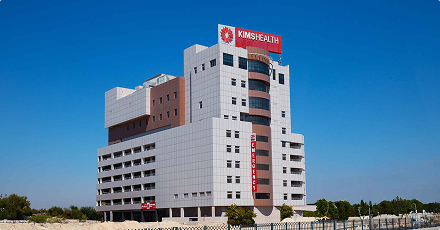
Bahrain
A trusted destination for specialised medical care supported by expert clinical professionals.
KIMSHEALTH Bahrain
6
Facilities
120+
Doctors
25+
Specialities
40+
Services
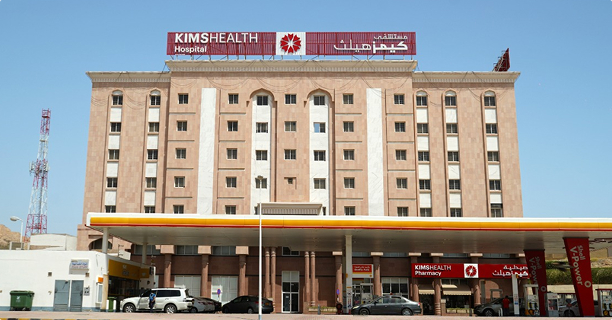
Oman
A trusted destination for specialised medical care supported by expert clinical professionals.
KIMSHEALTH Oman3
Facilities
80+
Doctors
30+
Specialties
20+
Services
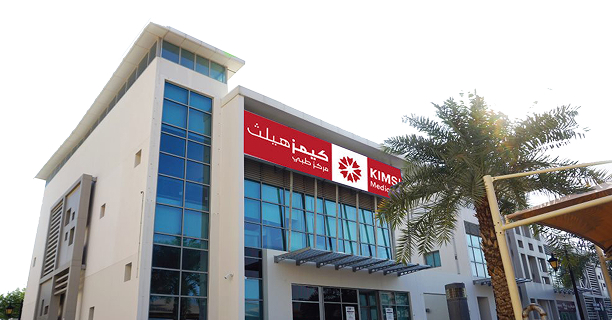
Qatar
Multispecialty medical centers delivering top-notch care to the people of Qatar.
KIMSHEALTH Qatar3
Facilities
50+
Doctors
20+
Specialities
10+
Services
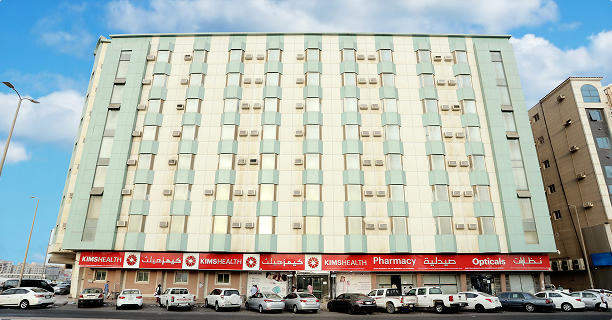
Saudi Arabia
The largest multispeciality clinic in Jubail, offering quality medical care to the citizens.
KIMSHEALTH Saudi Arabia2
Facilities
50+
Doctors
20+
Specialties
10+
Services

UAE
A trusted destination for specialised medical care supported by expert clinical professionals.
KIMSHEALTH UAE2
Facilities
40+
Doctors
15+
Specialties
40+
Services