


Electrocardiogram (ECG)

About the Procedure
An electrocardiogram (ECG) is a non-invasive diagnostic procedure used to record the electrical activity of the heart. It helps in assessing heart rate, rhythm, and detecting abnormalities such as arrhythmias, ischemia, and myocardial infarction. During the procedure, electrodes are placed on the chest and limbs to capture electrical signals produced by the heart. ECG is painless, quick, and widely used in routine check-ups, emergency care, and continuous monitoring of cardiac patients.
Care before the procedure
- Explain the procedure and purpose of ECG to the patient.
- Ensure the patient is relaxed and resting in a supine position.
- Expose the chest area and clean the skin where electrodes will be placed.
- Remove metal objects and ensure the ECG machine is functioning properly.
Care during the procedure
- Place the electrodes correctly on the chest and limbs.
- Ensure good skin contact to avoid artifacts in the tracing.
- Instruct the patient to remain still and breathe normally.
- Observe the ECG tracing for accuracy and clarity.
Care after the procedure
- Remove electrodes gently and clean the patient’s skin.
- Help the patient to dress and make them comfortable.
- Label and record the ECG tracing correctly.
- Report abnormal findings to the healthcare provider.
Relevant Specialties

Family Medicine
Family Medicine provides comprehensive healthcare for individuals and families across all age groups.
It focuses on preventive care, early diagnosis, and the management of a wide range of health concerns, supporting long-term health and continuity of care.
At KIMSHEALTH, family medicine is delivered through a patient-first approach, emphasizing strong patient relationships, personalized care, and overall well-being.
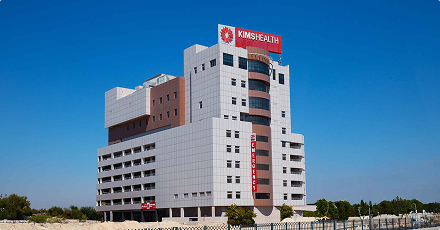
Bahrain
A trusted destination for specialised medical care supported by expert clinical professionals.
KIMSHEALTH Bahrain
6
Facilities
120+
Doctors
25+
Specialities
40+
Services
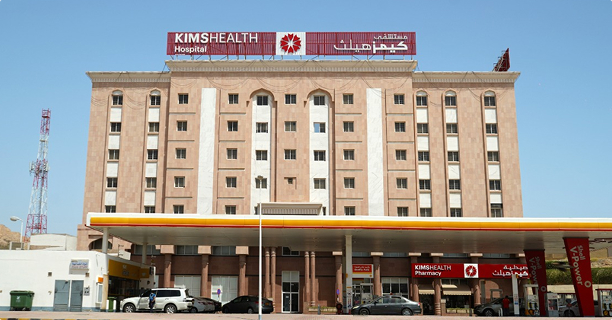
Oman
A trusted destination for specialised medical care supported by expert clinical professionals.
KIMSHEALTH Oman3
Facilities
80+
Doctors
30+
Specialties
20+
Services