


Endotracheal Tube (ET Tube) Intubation

About the procedure
Care before the procedure
- NPO (nothing by mouth) for several hours before elective intubation.
- Inform the healthcare team about allergies, medical conditions, and medications.
- Consent should be obtained for elective procedures.
- Ensure monitoring equipment is ready (oxygen, vital signs).
Care during the procedure
- Position the patient properly (head tilt or sniffing position).
- Sedation and muscle relaxants may be administered if required.
- A tube is inserted through the mouth or nose into the trachea.
- Placement confirmed via chest movement, breath sounds, or capnography.
- The tube is secured to prevent displacement.
Care after the procedure
- Monitor vital signs, oxygen levels, and tube position continuously.
- Ensure humidified oxygen and suctioning to keep the airway clear.
- Watch for complications like infection, bleeding, or airway trauma.
- Tube removal (extubation) is done when the patient can breathe independently.
- Provide patient support and monitoring post-extubation.
Eligibility
- Patients with respiratory failure or severe breathing difficulty.
- Individuals undergoing general anesthesia for surgery.
- Patients needing mechanical ventilation in ICU.
- During cardiac arrest or airway obstruction.
- Patients with neurological compromise affecting breathing.
Relevant Specialties

Internal Medicine
Internal Medicine is a medical specialty focused on the prevention, diagnosis, and management of adult health conditions.
It plays a central role in managing both acute and chronic illnesses, particularly those affecting multiple systems within the body.
At KIMSHEALTH, internal medicine care is guided by a comprehensive, patient-first approach that supports continuity of care and long-term health management.
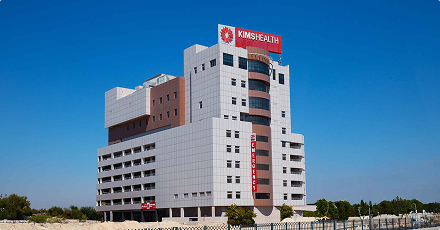
Bahrain
A trusted destination for specialised medical care supported by expert clinical professionals.
KIMSHEALTH Bahrain
6
Facilities
120+
Doctors
25+
Specialities
40+
Services

Oman
A trusted destination for specialised medical care supported by expert clinical professionals.
KIMSHEALTH Oman3
Facilities
80+
Doctors
30+
Specialties
20+
Services

Saudi Arabia
The largest multispeciality clinic in Jubail, offering quality medical care to the citizens.
KIMSHEALTH Saudi Arabia2
Facilities
50+
Doctors
20+
Specialties
10+
Services

UAE
A trusted destination for specialised medical care supported by expert clinical professionals.
KIMSHEALTH UAE2
Facilities
40+
Doctors
15+
Specialties
40+
Services
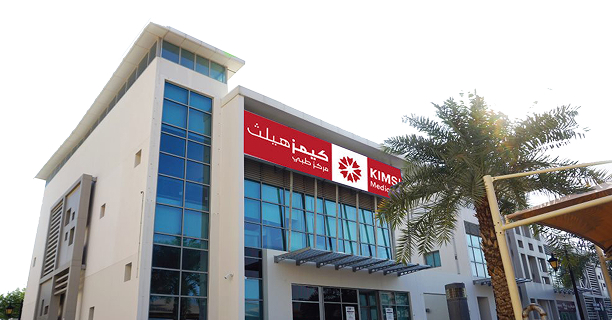
Qatar
Multispecialty medical centers delivering top-notch care to the people of Qatar.
KIMSHEALTH Qatar3
Facilities
50+
Doctors
20+
Specialities
10+
Services