


Liposuction

About the procedure
Liposuction is a body contouring procedure that removes localized fat deposits from specific areas of the body that are resistant to diet and exercise. It's not a weight loss solution but rather a method to improve body proportions by targeting stubborn fat pockets. Common treatment areas include the abdomen, flanks ("love handles"), thighs, hips, back, arms, and chin. Modern liposuction techniques have evolved to include various technologies such as tumescent liposuction, ultrasound-assisted liposuction (UAL), and laser-assisted liposuction (LAL), each offering specific benefits for different fat types and body areas.
Care before the procedure
- Thorough preparation is key to a safe surgery and optimal outcome.
- Consultation:
- A detailed discussion with the plastic surgeon about goals, desired areas for treatment, and the various techniques.
- The surgeon will evaluate your skin quality and fat distribution.
- Medical Evaluation:
- A review of medical history, medications (especially blood thinners), and allergies.
- Pre-operative lab tests may be required.
- Preoperative Instructions:
- Stop smoking and avoid certain medications and supplements (e.g., aspirin, NSAIDs, herbal remedies) that can increase bleeding.
- Maintain a stable weight before surgery.
- Arrange for help at home for the first few days and for transportation to and from the surgical facility.
- Marking: On the day of surgery, the surgeon will mark the specific areas of your body to be treated.
Care during the procedure
- The specifics of the procedure depend on the technique used and the extent of treatment.
- Anesthesia: Can be local anesthesia, intravenous sedation, or general anesthesia, depending on the amount of fat being removed.
- The Process:
- The surgeon makes small, inconspicuous incisions in the targeted areas. The tumescent fluid is infused.
- The cannula is then inserted and moved strategically to break up and suction out the fat.
- Patient Role: The patient is under anesthesia and feels no pain during the procedure.
- Duration: The length of the surgery varies widely, from 1 to 4 hours or more, depending on the number and size of areas being treated.
Care after the procedure
- Recovery and diligent aftercare are crucial for achieving the best results and minimizing risks.
- Immediate Aftercare:
- You will be placed in a compression garment to reduce swelling, support the new contours, and help the skin adhere to its new shape.
- This must be worn as directed for several weeks.
- Drainage: Fluid may drain from the incisions for a few days; this is normal.
- Pain Management:
- Pain, soreness, and swelling are expected and can be managed with prescribed medication.
- Activity: Light walking is encouraged to promote circulation, but strenuous activity must be avoided for several weeks.
- Recovery Timeline:
- Most swelling and bruising subside within a few weeks, but residual swelling can take several months to fully resolve.
- Initial results are visible once the swelling goes down, but the final contour will emerge over 3-6 months.
- Follow-up: Attend all scheduled post-operative appointments so your surgeon can monitor your healing.
- Long-Term Results & Maintenance:
- The results are permanent because fat cells are removed.
- However, the remaining fat cells can still expand if you gain significant weight.
- Long-term success depends on maintaining a stable weight through a healthy lifestyle with a balanced diet and regular exercise.
- Weight gain can alter the results and cause fat to deposit in untreated areas.
Relevant Specialties
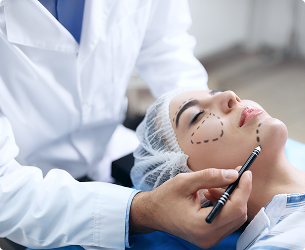
Plastic Surgery
This specialty focuses on restoring form and function, as well as enhancing physical appearance.
It supports patients with both medical and aesthetic concerns, addressing a wide range of needs.
At KIMSHEALTH, care is delivered through a personalized and patient-centered approach, focusing on safety, confidence, and well-being.
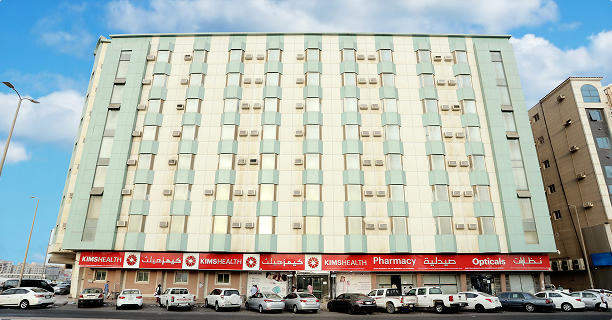
Saudi Arabia
The largest multispeciality clinic in Jubail, offering quality medical care to the citizens.
KIMSHEALTH Saudi Arabia
2
Facilities
50+
Doctors
20+
Specialties
10+
Services
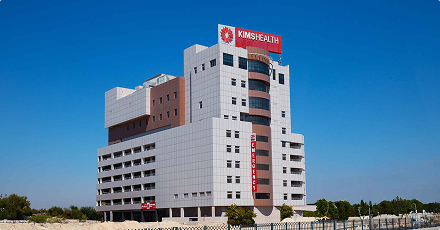
Bahrain
A trusted destination for specialised medical care supported by expert clinical professionals.
KIMSHEALTH Bahrain6
Facilities
120+
Doctors
25+
Specialities
40+
Services