


Medical Management of Ear Infections

About the procedure
Care before the procedure
- Obtain a thorough history and ear examination.
- Avoid inserting objects or water into the ear.
- Discuss allergies and prior reactions to medications.
- Follow diagnostic tests if prescribed (audiometry, culture).
Care during the procedure
- Take medications as prescribed and complete the full course.
- Apply ear drops correctly if instructed.
- Monitor symptoms such as pain, fever, or discharge.
- Avoid swimming or inserting objects into the ear.
Care after the procedure
- Follow up if symptoms persist or recur.
- Maintain ear hygiene and prevent moisture exposure.
- Monitor hearing and consult a doctor if issues continue.
- Implement preventive measures, such as avoiding upper respiratory infections.
Relevant Specialties
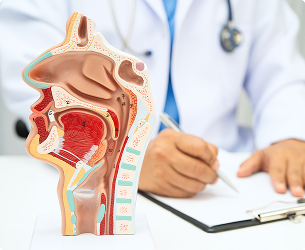
ENT (Ear, Nose & Throat)
ENT is a medical specialty that focuses on conditions affecting the ear, nose, throat, and related structures of the head and neck.
It supports patients with a wide range of concerns related to hearing, breathing, speech, and overall head and neck health.
At KIMSHEALTH, ENT care is delivered through a patient-centered approach, focusing on accurate evaluation and long-term well-being.

Bahrain
A trusted destination for specialised medical care supported by expert clinical professionals.
KIMSHEALTH Bahrain
6
Facilities
120+
Doctors
25+
Specialities
40+
Services

Oman
A trusted destination for specialised medical care supported by expert clinical professionals.
KIMSHEALTH Oman3
Facilities
80+
Doctors
30+
Specialties
20+
Services

Qatar
Multispecialty medical centers delivering top-notch care to the people of Qatar.
KIMSHEALTH Qatar3
Facilities
50+
Doctors
20+
Specialities
10+
Services

Saudi Arabia
The largest multispeciality clinic in Jubail, offering quality medical care to the citizens.
KIMSHEALTH Saudi Arabia2
Facilities
50+
Doctors
20+
Specialties
10+
Services

UAE
A trusted destination for specialised medical care supported by expert clinical professionals.
KIMSHEALTH UAE2
Facilities
40+
Doctors
15+
Specialties
40+
Services