


Mineralocorticoid Receptor Antagonists

About the Procedure
Eligibility
- Patients with heart failure with reduced ejection fraction.
- Individuals with resistant or difficult-to-control hypertension.
- Patients with post–heart attack heart failure symptoms.
- Selected patients with fluid retention despite standard therapy.
Care Before Medication
- Review kidney function and baseline potassium levels.
- Discuss current medications to avoid drug interactions.
- Assess blood pressure and fluid status.
- Understand potential risks like hyperkalemia.
Care During Medication
- Take medication exactly as prescribed.
- Regular monitoring of potassium and kidney function.
- Watch for symptoms like weakness or irregular heartbeat.
- Avoid potassium-rich supplements unless advised.
Care After Medication
- Continue routine follow-up and blood tests.
- Maintain low-salt, heart-healthy diet.
- Adjust dose under medical supervision if needed.
- Report side effects or worsening symptoms promptly.
Relevant Specialties

Cardiology
Our Cardiology Department delivers prevention, diagnosis and treatment for heart diseases through personalised care and advanced technology. Risk clinics for blood pressure and lipids offer non-invasive testing (ECG, echocardiogram, treadmill stress test, Holter monitor, and ambulatory blood pressure monitoring) and provide interventional services in a modern Catheterisation Laboratory, including device therapy and structural procedures. We maintain 24/7 cardiac ICU coverage and consultant availability to ensure rapid treatment for acute events. Post-procedure, patients receive tailored rehabilitation and multidisciplinary support that spans diabetes, pulmonary, and genetic services.

Oman
A trusted destination for specialised medical care supported by expert clinical professionals.
KIMSHEALTH Oman
3
Facilities
80+
Doctors
30+
Specialties
20+
Services
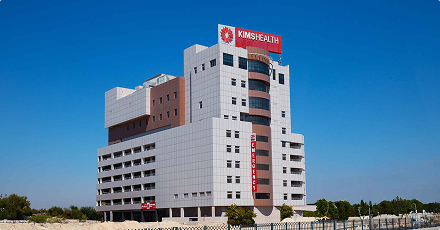
Bahrain
A trusted destination for specialised medical care supported by expert clinical professionals.
KIMSHEALTH Bahrain6
Facilities
120+
Doctors
25+
Specialities
40+
Services
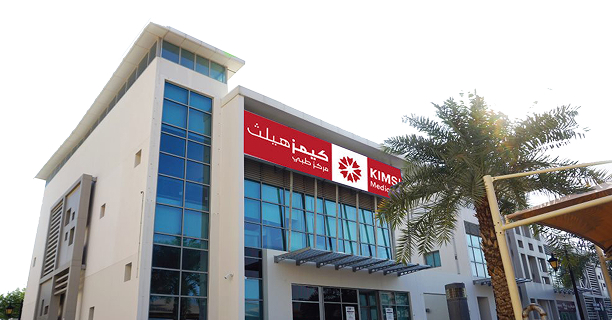
Qatar
Multispecialty medical centers delivering top-notch care to the people of Qatar.
KIMSHEALTH Qatar3
Facilities
50+
Doctors
20+
Specialities
10+
Services

Saudi Arabia
The largest multispeciality clinic in Jubail, offering quality medical care to the citizens.
KIMSHEALTH Saudi Arabia2
Facilities
50+
Doctors
20+
Specialties
10+
Services