


Normal & Cesarean Deliveries

About the procedure
Care before the procedure
- Attend antenatal visits to monitor maternal and fetal health.
- Pack a hospital bag with essential documents and personal items.
- Follow dietary instructions and fasting guidelines if cesarean is planned.
- Discuss the birth plan, pain relief options, and any concerns with your doctor.
Care during the procedure
- Follow instructions from the medical team during labor or surgery.
- Stay relaxed and practice breathing or labor techniques as advised.
- Communicate pain or discomfort to the staff promptly.
- Allow continuous monitoring of fetal heart rate and contractions.
Care after the procedure
- Vaginal: Rest, maintain hygiene, and perform postnatal exercises.
- Cesarean: Care for surgical wounds and monitor for infection signs.
- Gradually resume normal activity based on medical advice.
- Breast feeding is important try to feed a baby.
- Attend follow-up visits for maternal and newborn health assessments.
Eligibility
- All pregnant women planning delivery based on fetal and maternal conditions.
- Women with uncomplicated pregnancies are eligible for normal vaginal delivery.
- Cesarean is indicated for fetal distress, abnormal fetal position, or maternal complications.
- Women with prior cesarean sections or high-risk pregnancies require surgical delivery evaluation.
Relevant Diseases & Conditions
Acute Appendicitis
Relevant Specialties

Anesthesiology
Our Department of Anesthesiology and Perioperative Medicine provides comprehensive anesthetic care across surgical and interventional procedures, supporting more than 1 lakh patients every year. With a multidisciplinary team of pediatric anesthesiologists, we deliver local, regional, sedation and general anesthesia tailored to individual needs. Advanced expertise includes cardiac, transplant, neuro, bariatric, & oncology, alongside ultrasound-guided regional techniques and complex airway management. In addition, our services also include interventional support, critical care, and acute and chronic pain management.

Qatar
Multispecialty medical centers delivering top-notch care to the people of Qatar.
KIMSHEALTH Qatar
3
Facilities
50+
Doctors
20+
Specialities
10+
Services
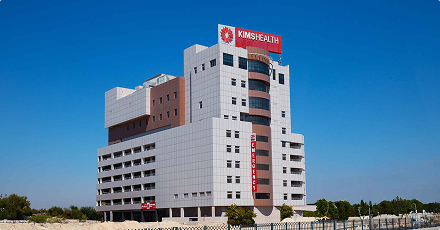
Bahrain
A trusted destination for specialised medical care supported by expert clinical professionals.
KIMSHEALTH Bahrain6
Facilities
120+
Doctors
25+
Specialities
40+
Services

Oman
A trusted destination for specialised medical care supported by expert clinical professionals.
KIMSHEALTH Oman3
Facilities
80+
Doctors
30+
Specialties
20+
Services

Saudi Arabia
The largest multispeciality clinic in Jubail, offering quality medical care to the citizens.
KIMSHEALTH Saudi Arabia2
Facilities
50+
Doctors
20+
Specialties
10+
Services