


Pleural Tapping (Thoracentesis) – Diagnostic & Therapeutic

About the procedure
Pleural tapping, or thoracentesis, is a procedure to remove fluid from the pleural space (between the lungs and chest wall). It serves two purposes: Diagnostic: Fluid is tested to identify infections, cancer, or other conditions. Therapeutic: Relieves shortness of breath, chest pressure, and discomfort caused by fluid buildup. The procedure is usually performed under sterile conditions, sometimes guided by ultrasound.
Care before the procedure
- Inform your doctor about blood thinners, allergies, or bleeding disorders.
- Imaging (X-ray or ultrasound) may be done to locate fluid.
- Fasting may be required if sedation is planned.
- Arrange for someone to accompany you if needed.
Care during the procedure
- Patient usually sits upright or leans forward.
- Chest area is cleaned and draped with sterile sheets.
- Local anesthesia is applied to numb the area.
- A needle or catheter is inserted to drain fluid.
- Fluid may be collected for lab analysis while excess is removed.
Care after the procedure
- Apply sterile dressing and monitor for bleeding.
- Rest and avoid strenuous activity for 24 hours.
- Monitor for shortness of breath, chest pain, or fever.
- Report persistent pain, swelling, or difficulty breathing immediately.
- Follow-up imaging or tests may be done to check for fluid reaccumulation.
Relevant Specialties
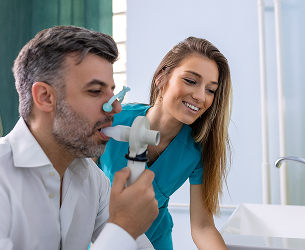
Pulmonology (Respiratory Medicine)
Pulmonology is the medical specialty focused on the health of the lungs and the respiratory system.
It supports patients with a wide range of breathing-related conditions and plays an important role in maintaining overall respiratory health through early identification and long-term management. The specialty also contributes to improving quality of life by supporting better breathing and lung function.
At KIMSHEALTH, pulmonology care is delivered through a patient-first approach, focusing on accurate diagnosis, ongoing management, and long-term respiratory well-being.