


Rhinoplasty (Nose Job)

About the procedure
Rhinoplasty, commonly known as a nose job, is one of the most frequently performed cosmetic surgical procedures worldwide. It's designed to reshape the nose for aesthetic improvement or to correct functional problems such as breathing difficulties. The procedure can address various concerns including the size of the nose in relation to facial balance, the width of the bridge, profile irregularities, nasal tip characteristics, and nostril shape. Rhinoplasty can significantly enhance facial harmony and boost self-confidence while potentially improving respiratory function.
Care before the procedure
- Consultation:
- Detailed discussion with the surgeon about goals, options, and limitations.
- Computer imaging may be used to preview potential results.
- Medical Evaluation: Review of medical history, allergies, current medications (especially blood thinners), and any previous nasal surgeries or injuries.
- Preoperative Instructions:
- Avoid smoking and anti-inflammatory drugs (e.g., aspirin, ibuprofen) for several weeks before surgery to reduce bleeding risks.
- Arrange for someone to drive you home and assist you during the first 24–48 hours after surgery.
- Fasting (no food or drink) for at least 8 hours before the procedure if general anesthesia is used.
Care during the procedure
- Anesthesia: Usually performed under general anesthesia or local anesthesia with sedation, depending on complexity.
- Process: The surgeon makes incisions, reshapes bone and cartilage, may use cartilage grafts for support or structure, and closes incisions. Internal splints or nasal packing may be placed if the septum was corrected.
- Duration: 1.5 to 3 hours, depending on the extent of work required.
- Setting: Typically performed in a hospital or accredited outpatient surgical facility.
Care after the procedure
- Immediate Recovery (First Week):
- A splint is placed on the nose to protect its new shape and reduce swelling.
- Mild pain, swelling, bruising (especially around the eyes), and nasal congestion are common.
- Sleep with your head elevated to minimize swelling.
- Avoid blowing your nose, strenuous activities, and bending over.
- Follow-Up Appointments:
- The splint and any sutures are usually removed within 5–7 days.
- Swelling and subtle shape changes will continue to improve over several months.
- Long-Term Recovery:
- Final results may take up to a year to fully manifest as swelling gradually subsides.
- Protect your nose from sun exposure and avoid contact sports or activities that could injure it.
- Attend all scheduled follow-ups to ensure proper healing.
- Results and Satisfaction:
- Most patients are very satisfied with the functional and aesthetic outcomes.
- Minor touch-up procedures are occasionally needed for refinement.
Relevant Specialties
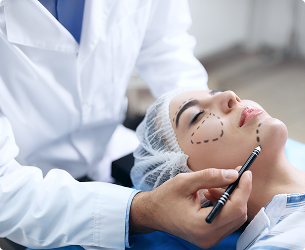
Plastic Surgery
This specialty focuses on restoring form and function, as well as enhancing physical appearance.
It supports patients with both medical and aesthetic concerns, addressing a wide range of needs.
At KIMSHEALTH, care is delivered through a personalized and patient-centered approach, focusing on safety, confidence, and well-being.
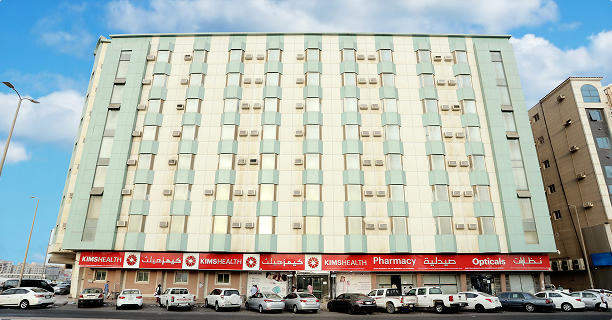
Saudi Arabia
The largest multispeciality clinic in Jubail, offering quality medical care to the citizens.
KIMSHEALTH Saudi Arabia
2
Facilities
50+
Doctors
20+
Specialties
10+
Services
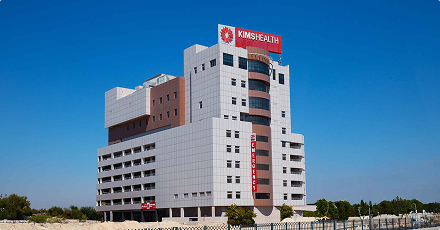
Bahrain
A trusted destination for specialised medical care supported by expert clinical professionals.
KIMSHEALTH Bahrain6
Facilities
120+
Doctors
25+
Specialities
40+
Services