


Treatment for Allergic Rhinitis & Sinusitis

About the procedure
Care before the procedure
- Undergo ENT evaluation and allergy testing if indicated
- Inform the doctor about medications, medical conditions, or drug allergies
- Avoid self-medicating with over-the-counter nasal sprays for long durations
- Maintain nasal hygiene and avoid allergen exposure
Care during the procedure
- Use prescribed medications as directed (nasal sprays, antihistamines, or antibiotics)
- Follow instructions for nasal irrigation and decongestant use
- Monitor for symptom relief or adverse effects
- Maintain hydration and rest
Care after the procedure
- Follow up with ENT or allergy specialist if symptoms persist
- Implement allergen avoidance strategies (dust, pollen, pets)
- Continue maintenance medications if prescribed
- Seek prompt care for recurrent or worsening sinus infections
Relevant Specialties
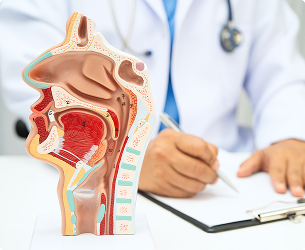
ENT (Ear, Nose & Throat)
ENT is a medical specialty that focuses on conditions affecting the ear, nose, throat, and related structures of the head and neck.
It supports patients with a wide range of concerns related to hearing, breathing, speech, and overall head and neck health.
At KIMSHEALTH, ENT care is delivered through a patient-centered approach, focusing on accurate evaluation and long-term well-being.
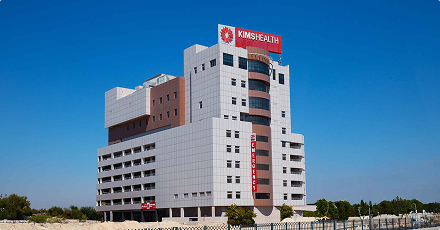
Bahrain
A trusted destination for specialised medical care supported by expert clinical professionals.
KIMSHEALTH Bahrain
6
Facilities
120+
Doctors
25+
Specialities
40+
Services
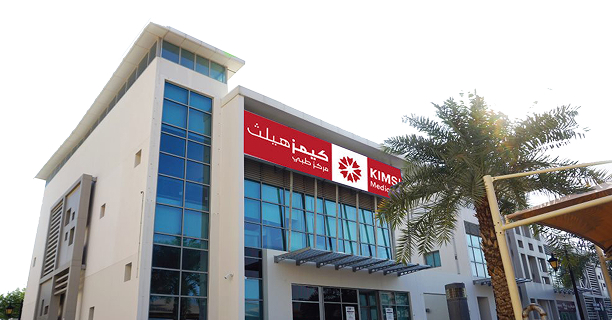
Qatar
Multispecialty medical centers delivering top-notch care to the people of Qatar.
KIMSHEALTH Qatar3
Facilities
50+
Doctors
20+
Specialities
10+
Services
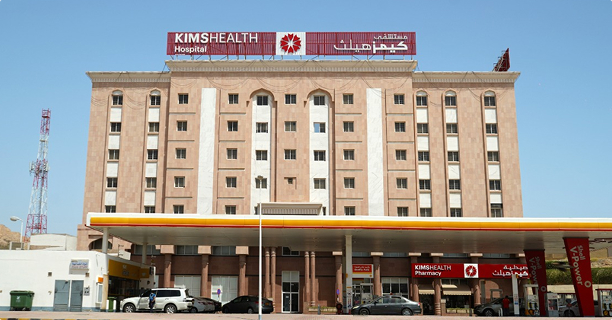
Oman
A trusted destination for specialised medical care supported by expert clinical professionals.
KIMSHEALTH Oman3
Facilities
80+
Doctors
30+
Specialties
20+
Services

Saudi Arabia
The largest multispeciality clinic in Jubail, offering quality medical care to the citizens.
KIMSHEALTH Saudi Arabia2
Facilities
50+
Doctors
20+
Specialties
10+
Services

UAE
A trusted destination for specialised medical care supported by expert clinical professionals.
KIMSHEALTH UAE2
Facilities
40+
Doctors
15+
Specialties
40+
Services