


Tumor Ablation (Radiofrequency, Microwave, Cryoablation)

About the Procedure
Care Before the Procedure
- Detailed imaging evaluation
- Blood tests and coagulation profile
- Oncology consultation
- Fasting instructions
Care During the Procedure
- Image-guided probe placement
- Controlled thermal or freezing therapy
- Continuous monitoring
- Pain management
Care After the Procedure
- Short recovery observation
- Follow-up imaging
- Symptom monitoring
- Oncology follow-up planning
Eligibility
- Patients with small localized tumors
- Individuals unfit for surgery
- Recurrent tumors
- Selected metastatic cases
Relevant Specialties
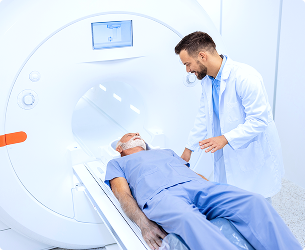
Radiology
Radiology uses imaging to support the diagnosis, evaluation, and monitoring of a wide range of health conditions.
It plays a critical role in helping clinicians understand underlying medical concerns by providing clear and accurate visual insights, supporting informed decision-making across multiple specialties.
At KIMSHEALTH, radiology services are delivered through a patient-first approach, focusing on precision, efficiency, and timely support to ensure effective and coordinated patient care.
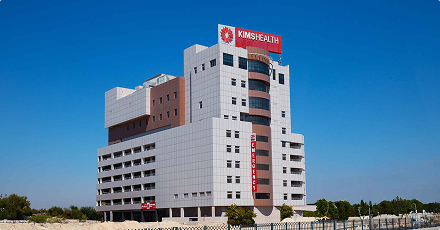
Bahrain
A trusted destination for specialised medical care supported by expert clinical professionals.
KIMSHEALTH Bahrain
6
Facilities
120+
Doctors
25+
Specialities
40+
Services
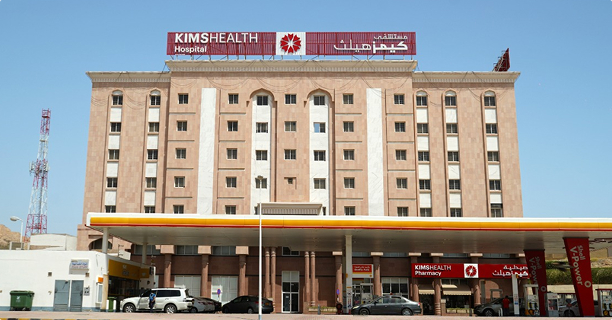
Oman
A trusted destination for specialised medical care supported by expert clinical professionals.
KIMSHEALTH Oman3
Facilities
80+
Doctors
30+
Specialties
20+
Services
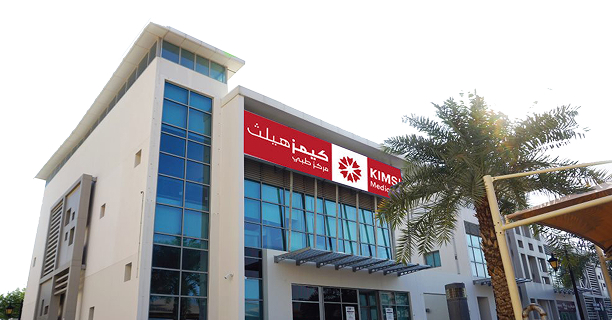
Qatar
Multispecialty medical centers delivering top-notch care to the people of Qatar.
KIMSHEALTH Qatar3
Facilities
50+
Doctors
20+
Specialities
10+
Services
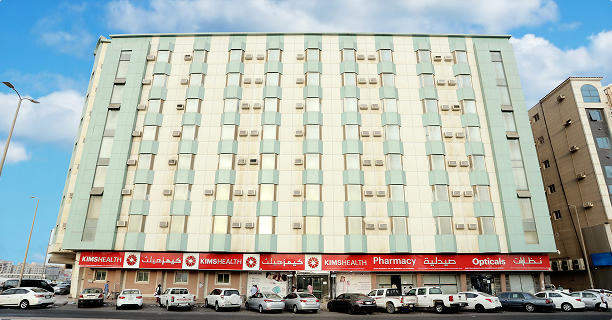
Saudi Arabia
The largest multispeciality clinic in Jubail, offering quality medical care to the citizens.
KIMSHEALTH Saudi Arabia2
Facilities
50+
Doctors
20+
Specialties
10+
Services