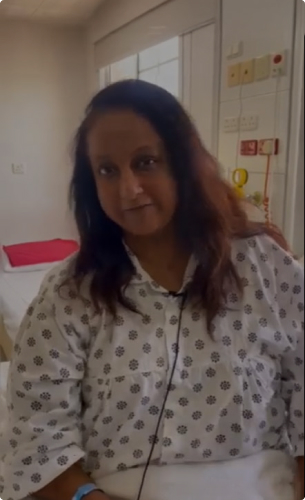


Wound Debridement

About the procedure
Care before the procedure
- Keep the wound area clean and remove dressings before the procedure.
- Inform the doctor about medications, allergies, and previous wounds.
- Follow fasting instructions if anesthesia is planned.
Care during the procedure
- Local or general anesthesia is administered depending on wound extent.
- Dead or infected tissue is removed using an appropriate method.
- Careful assessment to avoid damaging healthy tissue.
- Monitor vital signs and patient comfort.
Care after the procedure
- Change dressings regularly and maintain hygiene.
- Manage pain with prescribed medications.
- Observe for signs of infection or delayed healing.
- Attend follow-up visits for wound assessment and recovery.
Relevant Diseases & Conditions
Gastrointestinal Bleeding (Upper or Lower)
Relevant Specialties

Anesthesiology
Our Department of Anesthesiology and Perioperative Medicine provides comprehensive anesthetic care across surgical and interventional procedures, supporting more than 1 lakh patients every year. With a multidisciplinary team of pediatric anesthesiologists, we deliver local, regional, sedation and general anesthesia tailored to individual needs. Advanced expertise includes cardiac, transplant, neuro, bariatric, & oncology, alongside ultrasound-guided regional techniques and complex airway management. In addition, our services also include interventional support, critical care, and acute and chronic pain management.
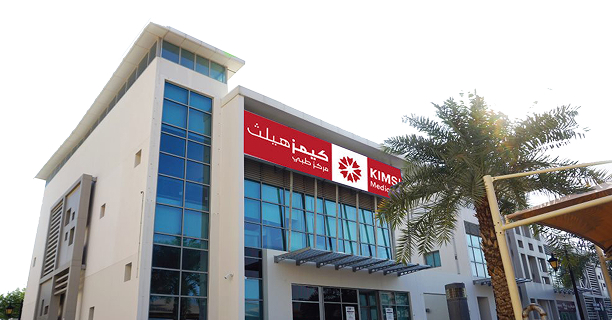
Qatar
Multispecialty medical centers delivering top-notch care to the people of Qatar.
KIMSHEALTH Qatar
3
Facilities
50+
Doctors
20+
Specialities
10+
Services
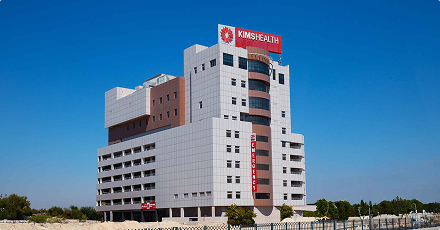
Bahrain
A trusted destination for specialised medical care supported by expert clinical professionals.
KIMSHEALTH Bahrain6
Facilities
120+
Doctors
25+
Specialities
40+
Services
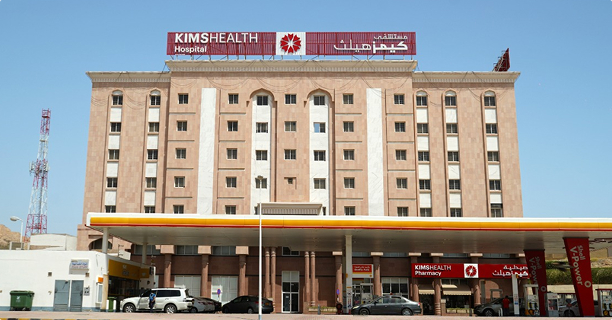
Oman
A trusted destination for specialised medical care supported by expert clinical professionals.
KIMSHEALTH Oman3
Facilities
80+
Doctors
30+
Specialties
20+
Services
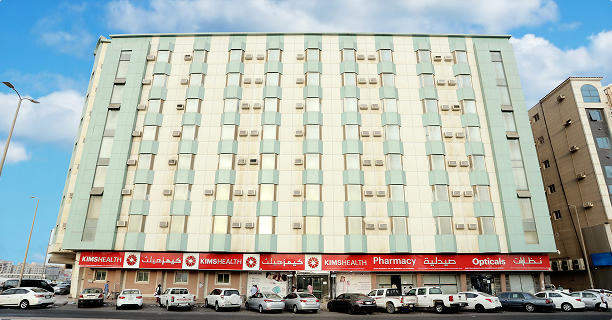
Saudi Arabia
The largest multispeciality clinic in Jubail, offering quality medical care to the citizens.
KIMSHEALTH Saudi Arabia2
Facilities
50+
Doctors
20+
Specialties
10+
Services