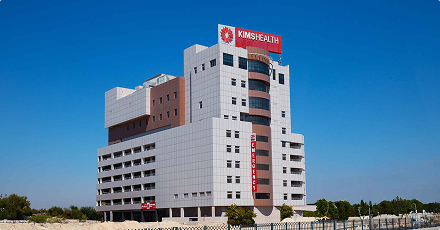

Emergency

About the Speciality
Our Emergency Medicine Department delivers 24/7, consultant-led care for medical, surgical, trauma, cardiac and pediatric emergencies. NABH-accredited since 2017, the department is equipped with specialist stroke and cardiac units, Level-1 adult trauma care, burns and poisoning management, disaster response and tele-triage. Rapid triage, AI-enabled ambulance integration and seamless access to multidisciplinary specialists ensure timely decisions, safe treatment, and smooth continuity of care when every minute matters.
Relevant Diseases & Conditions
Pneumothorax (Spontaneous or Traumatic)
Pneumothorax occurs when air enters the pleural space, causing partial or complete lung collapse. It can be life-threatening, especially if it progresses to tension pneumothorax. Spontaneous pneumothorax is common in tall, thin males or those with underlying lung disease, while traumatic pneumothorax results from blunt or penetrating chest injuries. Diagnosis is confirmed by chest X-ray or ultrasound. Management includes needle decompression for tension pneumothorax and chest tube insertion for larger collapses. Prevention involves avoiding smoking and controlling lung conditions.
Gastrointestinal Bleeding (Upper or Lower)
Gastrointestinal bleeding is the acute loss of blood from the digestive tract and can be life-threatening if severe. Upper GI bleeding often results from peptic ulcers, esophagitis, or varices, while lower GI bleeding may be caused by diverticulosis, hemorrhoids, malignancy, or angiodysplasia. Diagnosis involves blood tests, endoscopy, and sometimes nasogastric aspirate. Management includes stabilizing the patient with fluids or transfusions and treating the source endoscopically or surgically. Preventive measures include ulcer management, avoiding NSAIDs, and prophylactic variceal treatment.
Relevant Procedures
24-hour Holter & 24/7 Ambulatory BP Monitoring
24-hour Holter monitoring continuously records the heart’s electrical activity over a full day to detect intermittent rhythm abnormalities that may not appear during a routine ECG. Ambulatory Blood Pressure Monitoring (ABPM) measures blood pressure at regular intervals over 24 hours, including during sleep, providing a true picture of daily BP variations. Together, these tests help diagnose arrhythmias, unexplained symptoms, masked or nocturnal hypertension, and assess treatment effectiveness with greater accuracy than single readings.
Stroke (Ischemic or Hemorrhagic)
Stroke is a sudden brain injury caused by blockage (ischemic) or rupture (hemorrhagic) of cerebral blood vessels. It is a time-critical medical emergency that can result in permanent neurological deficits or death. Prompt intervention aims to restore blood flow in ischemic strokes or control bleeding in hemorrhagic strokes. Diagnosis relies on imaging such as CT and MRI, along with lab tests and vascular studies. Early management, ICU care, and rehabilitation through physiotherapy, occupational therapy, and speech therapy are essential for optimal recovery.
Sepsis / Septic Shock
Sepsis is a life-threatening condition caused by the body’s extreme response to infection, leading to organ dysfunction. If untreated, it can progress to septic shock with hypotension, multi-organ failure, and death. Rapid recognition and intervention are critical for survival. Management focuses on identifying the source of infection, administering IV fluids for resuscitation, broad-spectrum antibiotics, and vasopressors if needed. Source control procedures, such as draining abscesses or removing infected devices, are essential. ICU care, serial laboratory monitoring, and infectious disease follow-up guide recovery and rehabilitation.
Fractures / Traumatic Bone Injuries
Fractures are breaks or cracks in bones, commonly caused by trauma, falls, sports injuries, or accidents. Proper alignment and stabilization are essential for bone healing and restoring function. Diagnosis primarily involves X-rays, with CT or MRI used for complex or joint-involved fractures. Treatment includes closed reduction with casting or splinting, or open reduction with internal fixation using plates, screws, or rods. Post-procedure care involves immobilization, pain management, physiotherapy, and periodic imaging to ensure proper bone healing and functional recovery.