


Botox Injections (Botulinum Toxin Type A)

About the disease & condition
Botox injections involve the controlled administration of purified botulinum toxin type A, a purified neurotoxic protein derived from Clostridium botulinum, used in highly controlled medical doses, to temporarily inhibit acetylcholine release at neuromuscular junctions. This results in targeted muscle relaxation or paralysis, with both cosmetic and therapeutic applications.
Known Symptoms
- Targeted effects: Reduced muscle contraction (smoothing of wrinkles, decreased spasticity). Diminished sweat production (in hyperhidrosis).
- Common side effects: Mild pain, bruising, or edema at the injection site. Temporary asymmetry (e.g., eyebrow ptosis, uneven smile).
- Red flags (rare but serious):
- Systemic spread: Dysphagia, dysphonia, generalized muscle weakness, or respiratory compromise (symptoms of botulism).
- Allergic reaction: Urticaria, anaphylaxis.
Known Causes
- Etiology:
- Cosmetic use: Dynamic wrinkles (e.g., glabellar lines, crow’s feet) caused by repetitive muscle contractions.
- Therapeutic use: Conditions involving muscle hyperactivity (e.g., cervical dystonia, blepharospasm) or autonomic dysfunction (e.g., hyperhidrosis, overactive bladder).
- Mechanism: Binds to presynaptic cholinergic nerve terminals and cleaves the SNAP-25 protein, preventing vesicular acetylcholine release. Effects are dose-dependent, reversible, and localized to injection sites.
Care
- Prevention: Avoid massaging injection sites for 24 hours to prevent diffusion. Use experienced injectors to minimize risks. Gradual dose titration in new patients.
- Follow-up: Effects typically begin within 2–3 days, peak at around 2 weeks, and last 3–6 months. Schedule reinjection before full effect dissipation. Document injection patterns and doses for consistency. Monitor for late-onset side effects or diminishing efficacy.
Note: Botox is contraindicated in patients with hypersensitivity to botulinum toxin or albumin. Caution required in those taking aminoglycosides or anticoagulants. Emergency protocols should be in place for anaphylaxis or systemic toxicity.
Relevant Specialities
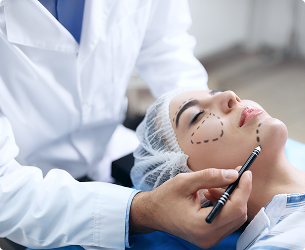
Plastic Surgery
This specialty focuses on restoring form and function, as well as enhancing physical appearance.
It supports patients with both medical and aesthetic concerns, addressing a wide range of needs.
At KIMSHEALTH, care is delivered through a personalized and patient-centered approach, focusing on safety, confidence, and well-being.
Available At
Here for you, every step of the way
Healthcare can feel overwhelming at times. At KIMSHEALTH Bahrain, we believe care should be transparent and supportive, allowing you to move forward with confidence and comfort. You deserve care you can trust, delivered with understanding and respect.
Our medical teams bring together advanced expertise with a deeply human approach to care. From everyday care to highly specialised treatment, we ensure you feel informed, reassured, and supported throughout your journey - so your experience with us is seamless and secure.
Our medical teams bring together advanced expertise with a deeply human approach to care. From everyday care to highly specialised treatment, we ensure you feel informed, reassured, and supported throughout your journey - so your experience with us is seamless and secure.