


Constipation

About the disease & condition
Aetiology & Pathophysiology
- Primary (functional) causes: Slow transit constipation: Delayed colonic motility.
Defecatory disorders: Dysfunction of pelvic floor muscles or anal sphincter (e.g., dyssynergia). - Secondary causes: Diet: Low fiber intake, inadequate fluids. Medications: Opioids, anticholinergics, calcium channel blockers. Metabolic/endocrine: Hypothyroidism, diabetes, hypercalcemia. Neurological: Parkinson’s disease, spinal cord injury.
- Pathophysiology: Involves altered colonic motility, reduced stool water content, and/or impaired rectal evacuation.
Symptoms & Signs
Common symptoms: Straining during defecation. Lumpy or hard stools. Sensation of incomplete evacuation. Abdominal bloating or discomfort.
Red-flag symptoms: Unintended weight loss. Rectal bleeding or anemia. Acute onset in older adults. Family history of colorectal cancer or inflammatory bowel disease.
Diagnosis
Clinical assessment: Detailed history (bowel habits, diet, medications), physical exam (abdominal, digital rectal exam).
Diagnostic criteria: Rome IV criteria for functional constipation.
Additional testing (if indicated): Blood tests (thyroid function, calcium, glucose).
Colonoscopy (if red flags present). Anorectal manometry, balloon expulsion test (for defecatory disorders). Colonic transit study (e.g., radiopaque markers).
Management
- Non-pharmacological:
- Dietary modifications: Increased fiber and fluid intake.
Regular physical activity.
Bowel training (scheduled toilet visits).
- Dietary modifications: Increased fiber and fluid intake.
- Pharmacological:
- Fiber supplements (e.g., psyllium).
Osmotic laxatives (e.g., polyethylene glycol, lactulose).
Stimulant laxatives (e.g., bisacodyl, senna) for short-term use.
Prokinetic agents or secretagogues (e.g., lubiprostone, linaclotide) for chronic cases.
- Fiber supplements (e.g., psyllium).
- Biofeedback therapy:
- For dyssynergic defecation.
Potential Complications
- Fecal impaction: May lead to obstructive symptoms or overflow diarrhea.
- Hemorrhoids or anal fissures: Due to straining. Rectal prolapse.
- Reduced quality of life: Chronic abdominal pain, social distress.
Prevention & Follow-up
- Prevention: High-fiber diet, adequate hydration, and regular exercise. Avoidance of constipating medications when possible.
- Follow-up: Monitor response to dietary and lifestyle changes. Adjust laxative therapy as needed; avoid long-term stimulant use. Reevaluate if symptoms persist or worsen despite intervention.
Relevant Specialities
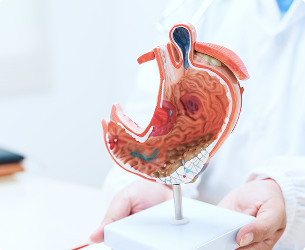
Gastroenterology
Gastroenterology is the specialty focused on the digestive system and its functions.
It supports patients with a wide range of digestive health concerns, helping maintain overall gastrointestinal health and well-being through early identification and long-term management.
At KIMSHEALTH, care is delivered through a patient-centered approach, focusing on accurate diagnosis, prevention, and ongoing support.

Family Medicine
Family Medicine provides comprehensive healthcare for individuals and families across all age groups.
It focuses on preventive care, early diagnosis, and the management of a wide range of health concerns, supporting long-term health and continuity of care.
At KIMSHEALTH, family medicine is delivered through a patient-first approach, emphasizing strong patient relationships, personalized care, and overall well-being.
Available At
Here for you, every step of the way
Our medical teams bring together advanced expertise with a deeply human approach to care. From everyday care to highly specialised treatment, we ensure you feel informed, reassured, and supported throughout your journey - so your experience with us is seamless and secure.