


Benign Prostatic Hyperplasia (BPH)

About the disease & condition
Known Symptoms
- Difficulty starting urination or weak urine stream.
- Frequent urination, especially at night (nocturia).
- Feeling of incomplete bladder emptying after urination.
- Urgent need to urinate with occasional leakage.
Known Causes
- Age-related prostate gland enlargement in men over 50.
- Hormonal changes, particularly increased dihydrotestosterone levels.
- Family history increasing risk of developing BPH.
- Lifestyle factors like obesity and lack of exercise.
Care
- Take prescribed medications such as alpha-blockers or 5-alpha-reductase inhibitors.
- Follow lifestyle modifications, including fluid and diet management.
- Monitor urinary symptoms regularly and report changes promptly.
- Seek medical advice for severe symptoms or urinary retention.
Relevant Specialties
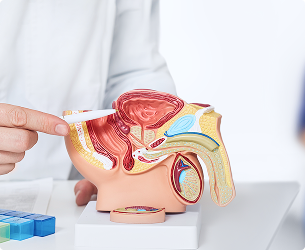
Urology
Urology is the medical specialty focused on the health of the urinary system and the male reproductive system.
It supports patients with a range of conditions affecting the kidneys, bladder, and related structures, as well as aspects of men’s health. The specialty plays an important role in maintaining overall urinary health and managing both acute and long-term concerns.
At KIMSHEALTH, urology care is delivered through a patient-first approach, focusing on accurate diagnosis, ongoing management, and supporting long-term health and well-being.
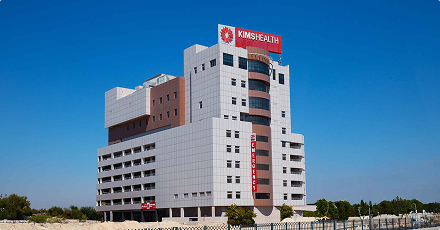
Bahrain
A trusted destination for specialised medical care supported by expert clinical professionals.
KIMSHEALTH Bahrain
6
Facilities
120+
Doctors
25+
Specialities
40+
Services
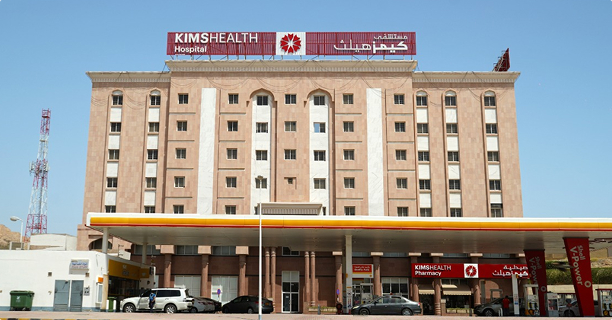
Oman
A trusted destination for specialised medical care supported by expert clinical professionals.
KIMSHEALTH Oman3
Facilities
80+
Doctors
30+
Specialties
20+
Services

UAE
A trusted destination for specialised medical care supported by expert clinical professionals.
KIMSHEALTH UAE2
Facilities
40+
Doctors
15+
Specialties
40+
Services