
Urology

About the Speciality
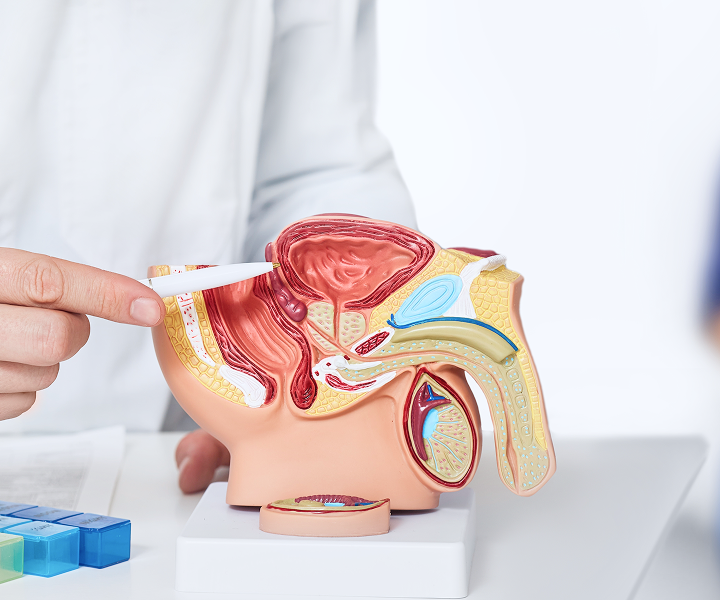
Urology is the medical specialty focused on the health of the urinary system and the male reproductive system.
It supports patients with a range of conditions affecting the kidneys, bladder, and related structures, as well as aspects of men’s health. The specialty plays an important role in maintaining overall urinary health and managing both acute and long-term concerns.
At KIMSHEALTH, urology care is delivered through a patient-first approach, focusing on accurate diagnosis, ongoing management, and supporting long-term health and well-being.
Relevant Diseases & Conditions
Benign Prostatic Hyperplasia (BPH)
Benign Prostatic Hyperplasia (BPH) is a non-cancerous enlargement of the prostate gland, commonly affecting older men. The enlarged prostate can compress the urethra, leading to urinary problems such as difficulty starting urination, weak stream, and frequent nighttime urination. While not life-threatening, untreated BPH can cause complications like urinary retention or infections. Early diagnosis, lifestyle changes, medications, or minimally invasive procedures can help manage symptoms, improve quality of life, and maintain normal urinary function.
Bladder Pain Syndrome (BPS) / Interstitial Cystitis
Bladder Pain Syndrome (BPS), also known as Interstitial Cystitis, is a chronic condition causing pelvic pain, pressure, and discomfort in the bladder and surrounding areas. It often leads to frequent and urgent urination and can significantly affect daily activities and quality of life. The exact cause is unclear, but it may involve bladder lining defects, nerve hypersensitivity, or autoimmune factors. Early diagnosis and proper management with medications, lifestyle changes, and bladder therapies help relieve symptoms and improve quality of life.
Cystitis / Interstitial Cystitis (IC)
Cystitis is inflammation of the bladder, often caused by bacterial infection, while Interstitial Cystitis (IC) is a chronic, non-infectious bladder condition causing long-term pelvic pain and urinary symptoms. Both conditions can lead to frequent urination, urgency, and discomfort in the bladder and lower abdomen. Causes vary from bacterial infections to bladder lining defects or nerve hypersensitivity. Early diagnosis and proper management through medications, lifestyle modifications, and bladder therapies help relieve symptoms, prevent complications, and improve quality of life.
Erectile Dysfunction (ED)
Erectile Dysfunction (ED) is the inability to achieve or maintain an erection sufficient for satisfactory sexual activity. It can result from physical causes such as cardiovascular disease, diabetes, hormonal imbalances, or neurological disorders, as well as psychological factors like stress, anxiety, or depression. ED affects men of all ages, particularly older men, and can impact emotional well-being and relationships. Early diagnosis and treatment through lifestyle changes, medications, or therapy can help restore sexual function and improve quality of life.
Relevant Procedures
Catheter Insertion
Catheter insertion involves placing a thin tube (catheter) into the body to drain fluids, deliver medications, or monitor bodily functions. Common types include urinary catheters, intravenous (IV) lines, or central venous catheters. This procedure helps manage urinary retention, administer treatments, monitor fluids, or provide nutrition.
Circumcision & Reconstructive Surgery
Circumcision is the surgical removal of the foreskin covering the tip of the penis, usually for medical, cultural, or religious reasons. Reconstructive surgery restores normal appearance or function to the genitalia or urinary structures, often after injury, congenital conditions, or previous surgery. Both procedures are performed under local or general anaesthesia, depending on the patient's age and complexity.
Cystoscopy & TURP (Transurethral Resection of the Prostate)
Cystoscopy is a procedure where a thin tube with a camera (cystoscope) is inserted through the urethra to examine the bladder and urinary tract, detect abnormalities, or take biopsies. TURP is a surgical procedure to remove part of the prostate gland via the urethra, usually to relieve urinary obstruction caused by an enlarged prostate (BPH).