


Catheter Insertion

About the procedure
Care before the procedure
- Inform your doctor about allergies, medications, or infections.
- Empty the bladder if inserting a urinary catheter.
- Ensure the site of insertion is clean and accessible.
Consent must be obtained for certain catheter types.
Care during the procedure
- Sterile technique is used to prevent infection.
- Local anaesthesia may be applied for comfort.
- A catheter is inserted into the bladder, vein, or other designated site.
- Placement is confirmed by urine flow, blood return, or imaging as needed.
Care after the procedure
- Keep the catheter and insertion site clean and dry.
- Monitor for infection, bleeding, or blockage.
- Report pain, swelling, fever, or leakage immediately.
- Follow instructions for catheter maintenance and timely removal.
- Resume normal activities as advised by your healthcare provider.
Eligibility
- Patients with urinary retention or bladder obstruction.
- Individuals needing IV medications, fluids, or chemotherapy.
- Critically ill patients requiring central venous access.
- Monitoring urine output or other body fluids in hospital settings.
- Patients requiring long-term or intermittent drainage or nutrition support.
Relevant Specialties
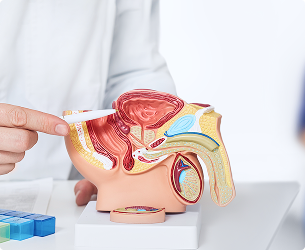
Urology
Urology is the medical specialty focused on the health of the urinary system and the male reproductive system.
It supports patients with a range of conditions affecting the kidneys, bladder, and related structures, as well as aspects of men’s health. The specialty plays an important role in maintaining overall urinary health and managing both acute and long-term concerns.
At KIMSHEALTH, urology care is delivered through a patient-first approach, focusing on accurate diagnosis, ongoing management, and supporting long-term health and well-being.

Bahrain
A trusted destination for specialised medical care supported by expert clinical professionals.
KIMSHEALTH Bahrain
6
Facilities
120+
Doctors
25+
Specialities
40+
Services

Oman
A trusted destination for specialised medical care supported by expert clinical professionals.
KIMSHEALTH Oman3
Facilities
80+
Doctors
30+
Specialties
20+
Services

UAE
A trusted destination for specialised medical care supported by expert clinical professionals.
KIMSHEALTH UAE2
Facilities
40+
Doctors
15+
Specialties
40+
Services