


Fatty Liver (Hepatic Steatosis)

About the disease & condition
Fatty liver is a condition characterised by the accumulation of excess fat (triglycerides) in hepatocytes, exceeding 5–10% of liver weight. It encompasses a spectrum from simple steatosis to steatohepatitis, fibrosis, and cirrhosis.
Aetiology & Pathophysiology
- Aetiology: Non-Alcoholic Fatty Liver Disease (NAFLD): Associated with metabolic syndrome (obesity, insulin resistance, dyslipidemia, hypertension). Alcoholic Fatty Liver Disease (AFLD): Due to chronic excessive alcohol consumption.
- Pathophysiology: Insulin resistance leads to increased free fatty acid delivery to the liver and de novo lipogenesis. Oxidative stress, inflammation, and lipotoxicity drive progression to steatohepatitis (NASH or ASH) and fibrosis.
Symptoms & Signs
- Common symptoms: Often asymptomatic; nonspecific symptoms may include fatigue, right upper quadrant discomfort.
- Signs: Hepatomegaly (may be palpable).
- Red-flag symptoms: Jaundice, ascites, or signs of chronic liver disease (e.g., spider angiomas, palmar erythema) suggest advanced disease or cirrhosis.
Diagnosis
- Clinical assessment: History (alcohol use, metabolic risk factors), physical exam.
- Laboratory tests: Elevated liver enzymes (ALT, AST); AST:ALT ratio >1 suggests AFLD or advanced fibrosis. Exclusion of other liver diseases (viral hepatitis, autoimmune, etc.).
Non-invasive fibrosis markers (e.g., FIB-4, ELF test). - Imaging: Ultrasound (first-line): Increased echogenicity (“bright liver”).
Transient elastography (e.g., FibroScan) for fibrosis staging. - Liver biopsy: Gold standard for diagnosing steatohepatitis and fibrosis staging.
Management
- Non-pharmacological: Weight loss (7–10% total body weight for NAFLD). Dietary modifications (reduce saturated fats, sugars; Mediterranean diet). Exercise regimen. Alcohol abstinence (for AFLD or mixed aetiology).
- Pharmacological: Vitamin E (for non-diabetic NASH with fibrosis).
Pioglitazone (select cases of NASH). GLP-1 receptor agonists (e.g., semaglutide) for weight loss and metabolic benefits. - Management of comorbidities: Optimise control of diabetes, dyslipidemia, and hypertension.
Potential Complications
- Progression to steatohepatitis (NASH/ASH), fibrosis, cirrhosis.**
- Hepatocellular carcinoma (HCC).**
- Liver failure.**
- Cardiovascular disease (leading cause of mortality in NAFLD).**
Prevention & Follow-up
Prevention:**
- Healthy lifestyle: balanced diet, regular exercise, moderation/abstinence from alcohol.
- Early intervention in metabolic syndrome.
Follow-up:**
- Monitor liver enzymes and metabolic parameters annually.
- Regular fibrosis assessment (e.g., biennial elastography in high-risk cases).
- Surveillance for HCC in cirrhotic patients (ultrasound ± AFP every 6 months).
Relevant Specialties
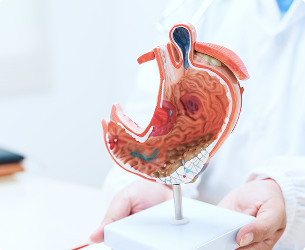
Gastroenterology
Gastroenterology is the specialty focused on the digestive system and its functions.
It supports patients with a wide range of digestive health concerns, helping maintain overall gastrointestinal health and well-being through early identification and long-term management.
At KIMSHEALTH, care is delivered through a patient-centered approach, focusing on accurate diagnosis, prevention, and ongoing support.
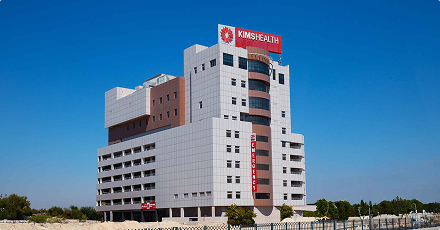
Bahrain
A trusted destination for specialised medical care supported by expert clinical professionals.
KIMSHEALTH Bahrain
6
Facilities
120+
Doctors
25+
Specialities
40+
Services