


Fibroid uterus

About the disease & condition
Known Symptoms
- Heavy menstrual bleeding causing fatigue or anemia.
- Frequent pelvic pressure or lower abdominal discomfort.
- Frequent urination due to bladder compression by fibroid.
- Pain during intercourse or backache in some women.
Known Causes
- Hormonal influence from estrogen and progesterone naturally.
- Family history of uterine fibroids increasing susceptibility.
- Obesity contributing to higher hormone levels and growth.
- Age and reproductive history affecting fibroid development.
Care
- Monitor small asymptomatic fibroids with regular imaging.
- Use medical therapy to control bleeding and symptoms.
- Surgical removal for large or symptomatic fibroids when needed.
- Maintain healthy lifestyle to reduce risk and manage symptoms.
Relevant Specialties
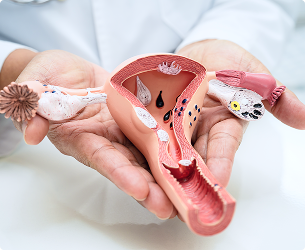
Obstetrics & Gynecology
Obstetrics and Gynaecology focuses on women’s health across all stages of life, from adolescence through reproductive years and beyond.
It supports reproductive health, hormonal balance, and overall well-being, helping women navigate different life stages with confidence.
At KIMSHEALTH, care is delivered with a compassionate and patient-centered approach, focusing on personalized guidance, continuity of care, and supporting long-term health at every stage of a woman’s journey
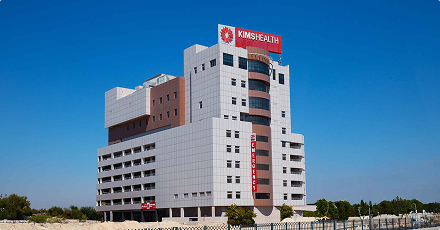
Bahrain
A trusted destination for specialised medical care supported by expert clinical professionals.
KIMSHEALTH Bahrain
6
Facilities
120+
Doctors
25+
Specialities
40+
Services
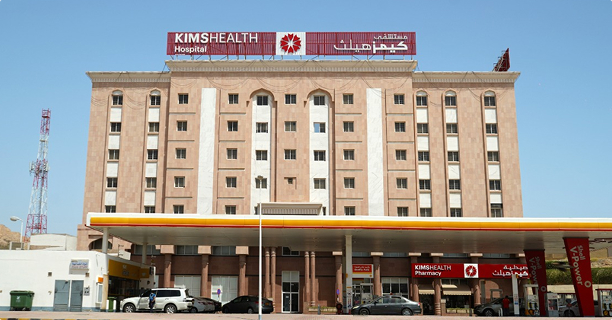
Oman
A trusted destination for specialised medical care supported by expert clinical professionals.
KIMSHEALTH Oman3
Facilities
80+
Doctors
30+
Specialties
20+
Services
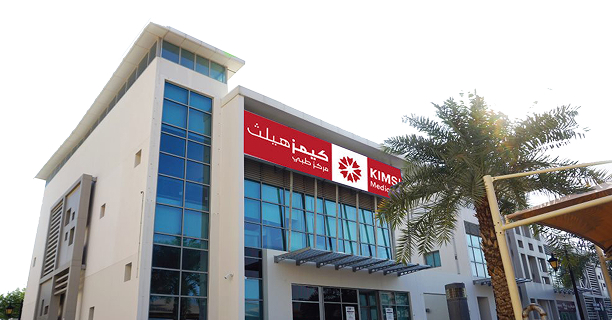
Qatar
Multispecialty medical centers delivering top-notch care to the people of Qatar.
KIMSHEALTH Qatar3
Facilities
50+
Doctors
20+
Specialities
10+
Services
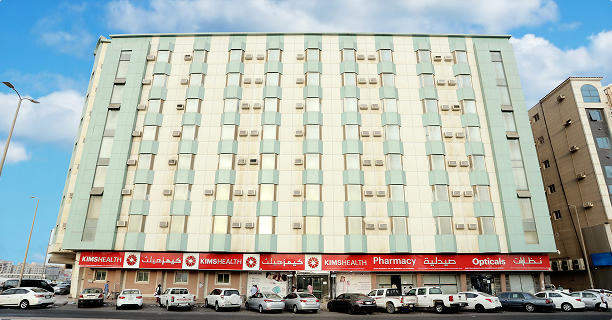
Saudi Arabia
The largest multispeciality clinic in Jubail, offering quality medical care to the citizens.
KIMSHEALTH Saudi Arabia2
Facilities
50+
Doctors
20+
Specialties
10+
Services
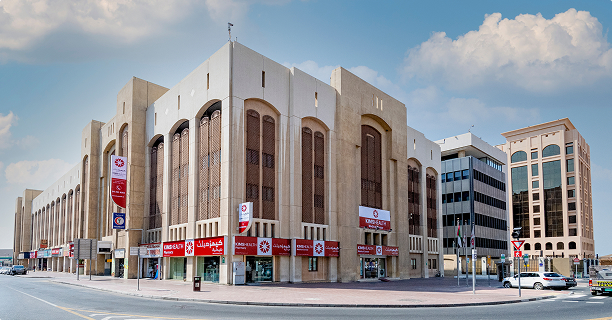
UAE
A trusted destination for specialised medical care supported by expert clinical professionals.
KIMSHEALTH UAE2
Facilities
40+
Doctors
15+
Specialties
40+
Services