


Fractures, dislocations, and orthopedic trauma

About the disease & condition
Known Symptoms
- Sudden severe pain and visible deformity in limb.
- Swelling, bruising, or tenderness around the affected area.
- Inability to move or bear weight on the affected limb.
- Occasional numbness or tingling near the injury site.
Known Causes
- Falls or accidents causing direct trauma to bones.
- Sports injuries involving high-impact or twisting forces.
- Osteoporosis weakening bones and increasing fracture risk.
- Road traffic accidents causing fractures or dislocations.
Care
- Immobilize the affected limb promptly after injury.
- Follow medical treatment and fracture reduction procedures.
- Maintain a bone-strengthening diet with calcium and vitamin D.
- Use protective gear during sports and high-risk activities.
Relevant Specialties
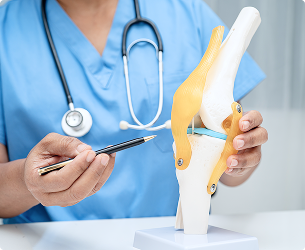
Orthopaedics (Orthopaedic Surgery)
Orthopaedics focuses on the musculoskeletal system, including bones, joints, muscles, and ligaments.
It supports individuals with a wide range of conditions that may affect movement, strength, and overall physical function. The specialty plays an important role in helping patients maintain mobility, manage discomfort, and improve their quality of life over time.
At KIMSHEALTH, orthopaedic care is delivered through a patient-centered approach, focusing on recovery, movement, and long-term quality of life.
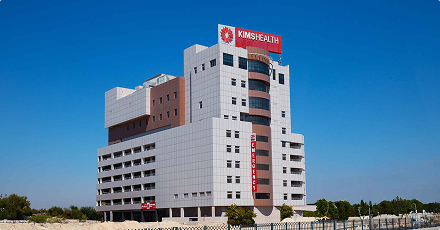
Bahrain
A trusted destination for specialised medical care supported by expert clinical professionals.
KIMSHEALTH Bahrain
6
Facilities
120+
Doctors
25+
Specialities
40+
Services
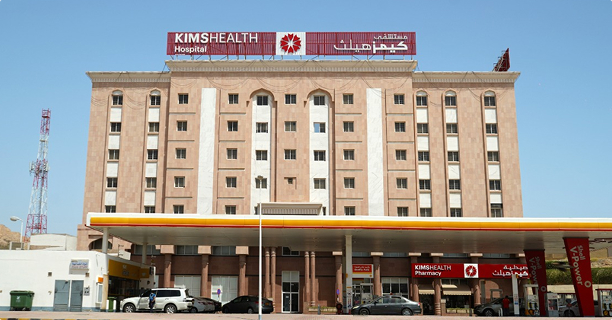
Oman
A trusted destination for specialised medical care supported by expert clinical professionals.
KIMSHEALTH Oman3
Facilities
80+
Doctors
30+
Specialties
20+
Services
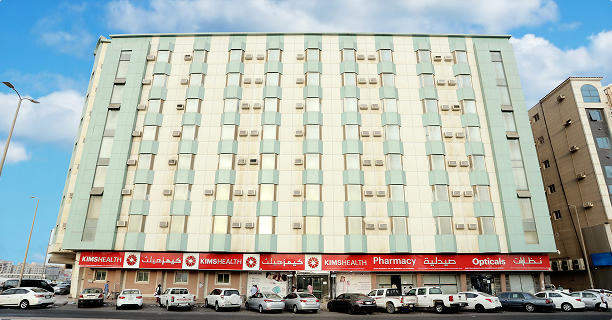
Saudi Arabia
The largest multispeciality clinic in Jubail, offering quality medical care to the citizens.
KIMSHEALTH Saudi Arabia2
Facilities
50+
Doctors
20+
Specialties
10+
Services
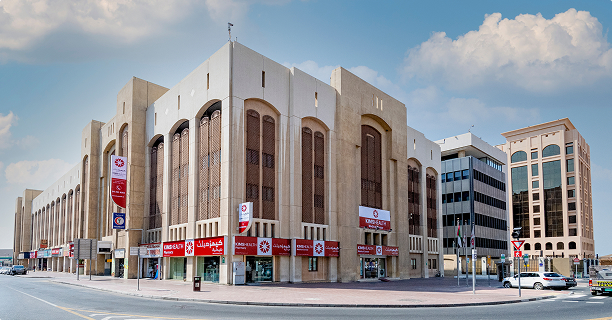
UAE
A trusted destination for specialised medical care supported by expert clinical professionals.
KIMSHEALTH UAE2
Facilities
40+
Doctors
15+
Specialties
40+
Services
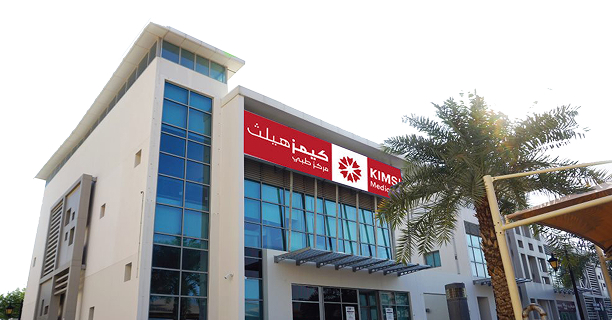
Qatar
Multispecialty medical centers delivering top-notch care to the people of Qatar.
KIMSHEALTH Qatar3
Facilities
50+
Doctors
20+
Specialities
10+
Services