


Hemodialysis

About the disease & condition
Known Symptoms
- Fatigue or weakness
- Swelling due to fluid retention
- Shortness of breath
- Nausea or loss of appetite
Known Causes
- End-stage kidney disease
- Severe chronic kidney damage
- Uncontrolled diabetes or hypertension
- Acute kidney failure requiring support
Care
- Regular scheduled dialysis sessions
- Monitoring fluid intake and diet
- Care of dialysis access site
- Ongoing medical supervision
Relevant Specialties
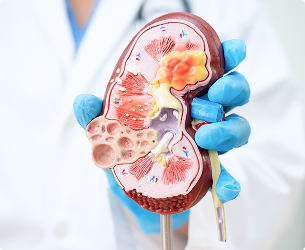
Nephrology
Nephrology is the specialty focused on the health of the kidneys and related conditions.
It supports patients in managing both acute and long-term kidney-related concerns, as well as maintaining overall renal health.
At KIMSHEALTH, nephrology care emphasizes early detection, ongoing monitoring, and a patient-first approach to long-term health management.
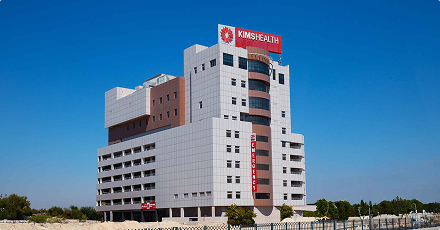
Bahrain
A trusted destination for specialised medical care supported by expert clinical professionals.
KIMSHEALTH Bahrain
6
Facilities
120+
Doctors
25+
Specialities
40+
Services
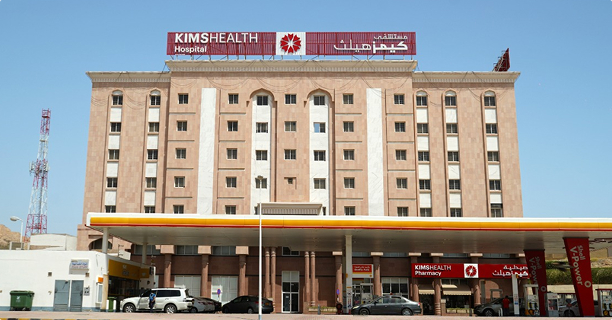
Oman
A trusted destination for specialised medical care supported by expert clinical professionals.
KIMSHEALTH Oman3
Facilities
80+
Doctors
30+
Specialties
20+
Services
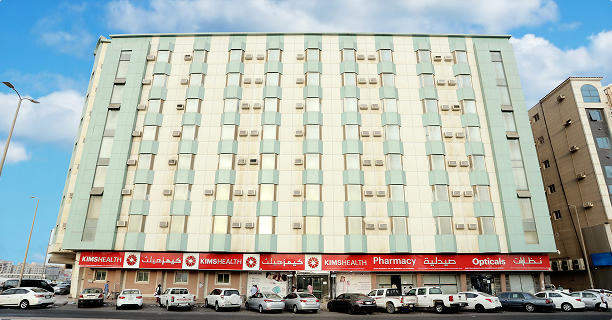
Saudi Arabia
The largest multispeciality clinic in Jubail, offering quality medical care to the citizens.
KIMSHEALTH Saudi Arabia2
Facilities
50+
Doctors
20+
Specialties
10+
Services