
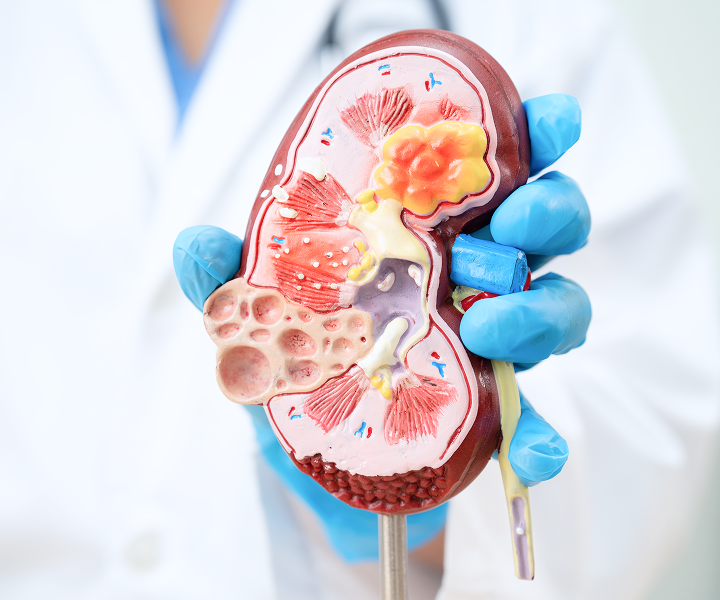
Nephrology

Nephrology
The Department of Nephrology provides comprehensive kidney care, from diagnosis to medical management to advanced dialysis and transplantation. We treat kidney stones, glomerular disease, diabetic kidney problems, and hypertension, and provide pediatric nephrology and onconephrology care when necessary. Our team manages living-donor, high risk, and ABO-incompatible transplants through modern dialysis units (hemodialysis, peritoneal dialysis, HDF and CRRT for critically ill patients), interventional nephrology procedures, and a leading transplant program. Recognised for excellence — ranked No. 2 in Outlook’s 2025 Best Nephrology Centres — KIMSHEALTH is a trusted destination for complete kidney care.
Relevant Diseases & Conditions
Electrolyte imbalance
Electrolyte imbalance occurs when the levels of essential minerals such as sodium, potassium, calcium, phosphorus or magnesium in the body become too high or too low. These electrolytes are vital for nerve function, muscle movement, heartbeat regulation, and fluid balance. Imbalances can result from dehydration, kidney disease, hormonal disorders, or certain medications. Symptoms may range from mild to severe and can become life-threatening if not treated promptly. Early diagnosis and proper management help restore balance and prevent complications.
Hemodialysis
Hemodialysis is a medical treatment used to remove waste products, excess fluids, and toxins from the blood when the kidneys are no longer able to function properly. It is commonly required in advanced stages of chronic kidney disease or kidney failure. During hemodialysis, blood is filtered through a machine and then returned to the body. The procedure helps maintain fluid balance, control blood pressure, and improve overall well-being, allowing patients to continue daily activities with proper care.
Pregnancy-related renal diseases
Pregnancy-related renal diseases are kidney conditions that develop during pregnancy or are worsened by pregnancy. These include preeclampsia, acute kidney injury, urinary tract infections, and worsening of pre-existing kidney disease. Hormonal changes, increased blood volume, and blood pressure fluctuations can place extra stress on the kidneys. Early detection through regular antenatal checkups is essential. Prompt treatment helps protect both maternal and fetal health and reduces the risk of long-term kidney complications after delivery.
Tubulopathies
Tubulopathies are a group of kidney disorders that affect the renal tubules, which are responsible for reabsorbing water, electrolytes, and nutrients from the urine. When these tubules do not function properly, it leads to imbalances in fluids, electrolytes, and acid–base levels in the body. Tubulopathies may be inherited or acquired and can occur in both children and adults. Early diagnosis and appropriate management are important to prevent complications and protect long-term kidney function.
Relevant Procedures
Immunosuppressants (For Glomerulonephritis, Nephrotic Syndrome)
Immunosuppressant therapy is used to control kidney diseases such as glomerulonephritis and nephrotic syndrome that occur due to abnormal immune system activity. These medications reduce inflammation and immune attacks on the kidney filters (glomeruli), helping to decrease protein loss in urine and preserve kidney function. Commonly used drugs include corticosteroids and other immunosuppressive agents. Careful monitoring is essential to balance treatment benefits while minimizing side effects and infection risks.
Dietary Modifications (Salt Restriction)
Dietary modification, particularly salt restriction, is an essential part of managing kidney disease, high blood pressure, and heart conditions. Reducing salt intake helps control blood pressure, decrease fluid retention, and reduce strain on the kidneys and heart. A low-sodium diet supports the effectiveness of medications and helps prevent swelling and breathlessness. Patients are advised to choose fresh foods, limit processed items, and follow individualized dietary plans for better long-term health outcomes.
Lifestyle / Monitoring
Lifestyle modification and regular monitoring play a crucial role in preventing disease progression and maintaining overall health, especially in chronic conditions such as kidney disease, diabetes, and hypertension. This approach includes healthy dietary habits, physical activity, weight control, stress management, and routine health checks. Regular monitoring of blood pressure, blood sugar, kidney function, and other parameters helps detect changes early. Adopting a balanced lifestyle alongside medical care improves long-term outcomes and quality of life.
Electrolyte Correction and Management
Electrolyte correction and management involves treating imbalances of essential minerals such as sodium, potassium, calcium, and magnesium in the body. These imbalances commonly occur due to kidney disease, dehydration, medications, or hormonal disorders. Proper electrolyte balance is vital for nerve function, muscle movement, heart rhythm, and overall metabolic stability. Management includes careful monitoring, dietary modifications, oral or intravenous supplementation, and medication adjustments to restore and maintain safe electrolyte levels.