


Catheter Placement for Dialysis or Urinary Drainage

About the procedure
Care before the procedure
- Medical evaluation and consent completed
- Blood tests reviewed by the healthcare team
- Area cleaned and prepared under sterile conditions
- Patient advised about the procedure and aftercare
Care during the procedure
- Local anesthesia given to reduce discomfort
- Catheter inserted carefully by a trained specialist
- Placement confirmed for proper function
- Procedure completed in a short duration
Care after the procedure
- Catheter site monitored for bleeding or infection
- Proper securing and dressing applied
- Patient educated on catheter care
- Follow-up is scheduled if required
Eligibility
- Patients requiring immediate dialysis access due to kidney failure
- Individuals unable to pass urine due to obstruction or retention
- Patients with severe urinary infections needing continuous drainage
- Those awaiting permanent dialysis access creation
Relevant Specialties
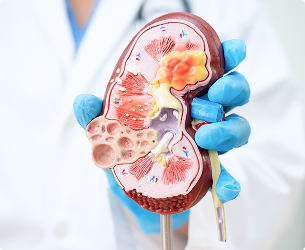
Nephrology
Nephrology is the specialty focused on the health of the kidneys and related conditions.
It supports patients in managing both acute and long-term kidney-related concerns, as well as maintaining overall renal health.
At KIMSHEALTH, nephrology care emphasizes early detection, ongoing monitoring, and a patient-first approach to long-term health management.

Bahrain
A trusted destination for specialised medical care supported by expert clinical professionals.
KIMSHEALTH Bahrain
6
Facilities
120+
Doctors
25+
Specialities
40+
Services

Oman
A trusted destination for specialised medical care supported by expert clinical professionals.
KIMSHEALTH Oman3
Facilities
80+
Doctors
30+
Specialties
20+
Services

Saudi Arabia
The largest multispeciality clinic in Jubail, offering quality medical care to the citizens.
KIMSHEALTH Saudi Arabia2
Facilities
50+
Doctors
20+
Specialties
10+
Services