


Hypermetropia / Hyperopia (Farsightedness)

About the disease & condition
Know symptoms
- Blurred near vision during reading or close tasks.
- Eyestrain and fatigue after prolonged near work.
- Headaches associated with focusing on close objects.
- Squinting to improve clarity of near vision.
Know causes
- Genetic predisposition or family history of hyperopia.
- Shorter eyeball length or flatter corneal curvature.
- Age-related changes in lens elasticity or shape.
- Underlying ocular or developmental conditions affecting eye structure.
Care
- Regular vision screening, especially for children.
- Use corrective lenses like glasses or contact lenses.
- Consider refractive surgery in suitable candidates.
- Monitor vision changes and update prescriptions as needed.
Relevant Specialties

Ophthalmology
Ophthalmology focuses on the health of the eyes and vision, supporting individuals in maintaining clear sight and overall eye health.
It addresses a wide range of eye-related concerns, helping in the early identification and ongoing management of conditions that may affect vision and eye function. The specialty also plays an important role in preserving long-term visual health and quality of life.
At KIMSHEALTH, ophthalmology care is delivered through a patient-first approach, focusing on accurate evaluation, personalized care, and supporting long-term eye health and well-being.
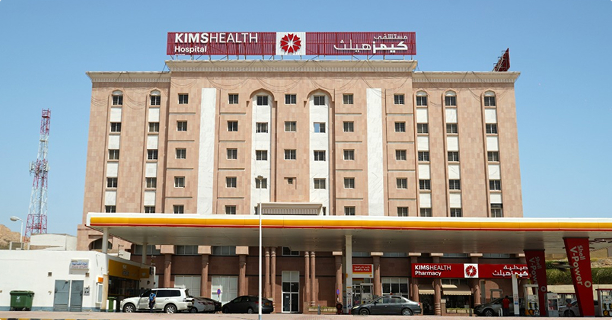
Oman
A trusted destination for specialised medical care supported by expert clinical professionals.
KIMSHEALTH Oman
3
Facilities
80+
Doctors
30+
Specialties
20+
Services
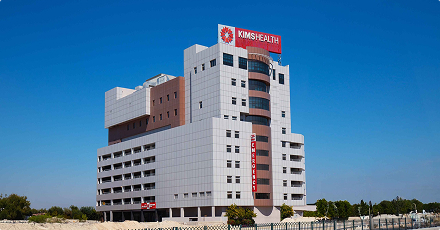
Bahrain
A trusted destination for specialised medical care supported by expert clinical professionals.
KIMSHEALTH Bahrain6
Facilities
120+
Doctors
25+
Specialities
40+
Services
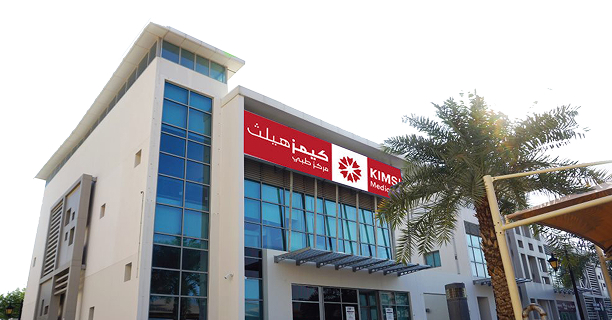
Qatar
Multispecialty medical centers delivering top-notch care to the people of Qatar.
KIMSHEALTH Qatar3
Facilities
50+
Doctors
20+
Specialities
10+
Services

Saudi Arabia
The largest multispeciality clinic in Jubail, offering quality medical care to the citizens.
KIMSHEALTH Saudi Arabia2
Facilities
50+
Doctors
20+
Specialties
10+
Services

UAE
A trusted destination for specialised medical care supported by expert clinical professionals.
KIMSHEALTH UAE2
Facilities
40+
Doctors
15+
Specialties
40+
Services