


Irritable Bowel Syndrome (IBS)

About the disease & condition
Aetiology & Pathophysiology
- Aetiology: Multifactorial; contributions from gut-brain axis dysregulation, visceral hypersensitivity, altered gut motility, intestinal microbiota changes, and psychosocial factors (e.g., stress, anxiety).
- Pathophysiology: Abnormalities in gut-brain communication lead to heightened pain perception (visceral hypersensitivity), dysmotility, and immune activation with low-grade inflammation in some cases.
Symptoms & Signs
- Common symptoms: Recurrent abdominal pain or discomfort relieved by defecation. Altered stool frequency or form (e.g., loose/watery or hard/lumpy stools). Bloating, distension, and mucus in stool.
- Subtypes: IBS-D (diarrhoea-predominant), IBS-C (constipation-predominant), IBS-M (mixed). Red-flag symptoms (suggestive of organic disease): Unintended weight loss, nocturnal symptoms, fever, rectal bleeding, anaemia, family history of colorectal cancer or inflammatory bowel disease.
Diagnosis
- Clinical diagnosis: Based on Rome IV criteria (recurrent abdominal pain ≥1 day/week for ≥3 months, associated with ≥2 of: related to defecation, change in stool frequency, change in stool form).
- Exclusion of alarm features: Guide needs further testing.
- Limited testing (as indicated): CBC, CRP, ESR, celiac serology, thyroid function tests. Faecal calprotectin (to distinguish from IBD). Colonoscopy (if alarm features, age >50, or family history of colorectal cancer).
Management
- Non-pharmacological: Dietary modifications: Low FODMAP diet (fermentable oligo-, di-, monosaccharides, and polyols), fibre supplementation (e.g., psyllium).
- Stress reduction: Cognitive behavioural therapy, gut-directed hypnotherapy, and regular exercise.
- Pharmacological (symptom-targeted): Antispasmodics (e.g., hyoscine, dicyclomine) for pain. Antidiarrheals (e.g., loperamide) for IBS-D. Laxatives (e.g., polyethene glycol) for IBS-C. Gut-specific neuromodulators (e.g., tricyclic antidepressants, SSRIs) for pain and global symptoms. Rifaximin (for IBS-D with bloating), lubiprostone/linaclotide (for IBS-C).
Potential Complications
- Reduced quality of life: Chronic pain, anxiety, depression, social and occupational impairment.
- Nutritional deficiencies (if dietary restrictions are overly stringent).
- Unnecessary procedures due to misdiagnosis or overlapping symptoms.
Prevention & Follow-up
- Prevention: No known prevention; stress management and healthy diet may reduce flare-ups.
- Follow-up: Regular monitoring of symptoms and treatment response. Reassessment if new alarm features develop or symptoms change significantly. Long-term focus on symptom control and quality of life rather than cure.
Relevant Specialties
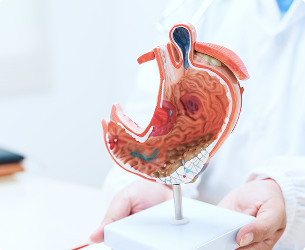
Gastroenterology
Gastroenterology is the specialty focused on the digestive system and its functions.
It supports patients with a wide range of digestive health concerns, helping maintain overall gastrointestinal health and well-being through early identification and long-term management.
At KIMSHEALTH, care is delivered through a patient-centered approach, focusing on accurate diagnosis, prevention, and ongoing support.

Homeopathy
Homeopathy is a complementary approach to healthcare that focuses on holistic well-being and individualized care.
It considers the body’s natural ability to heal, supporting both acute and long-term health concerns through a personalized approach.
At KIMSHEALTH, homeopathy care is guided by a patient-centered philosophy, focusing on overall balance, well-being, and long-term health.

Bahrain
A trusted destination for specialised medical care supported by expert clinical professionals.
KIMSHEALTH Bahrain
6
Facilities
120+
Doctors
25+
Specialities
40+
Services