


Myopia (Nearsightedness)

About the disease & condition
Know symptoms
- Blurred vision when viewing distant objects.
- Eye strain during prolonged visual tasks.
- Squinting to improve clarity of distant vision.
- Difficulty recognising distant signs, faces, or text.
Know causes
- Genetic predisposition and family history of myopia.
- Excessive near work, such as reading or screen use.
- Limited outdoor activity and sunlight exposure.
- Progressive elongation of the eyeball over time.
Care
- Limit screen time and encourage outdoor activities.
- Use corrective lenses like glasses or contact lenses.
- Consider orthokeratology lenses for overnight vision correction.
- Use low-dose atropine eye drops to slow progression.
Relevant Specialties

Ophthalmology
Ophthalmology focuses on the health of the eyes and vision, supporting individuals in maintaining clear sight and overall eye health.
It addresses a wide range of eye-related concerns, helping in the early identification and ongoing management of conditions that may affect vision and eye function. The specialty also plays an important role in preserving long-term visual health and quality of life.
At KIMSHEALTH, ophthalmology care is delivered through a patient-first approach, focusing on accurate evaluation, personalized care, and supporting long-term eye health and well-being.
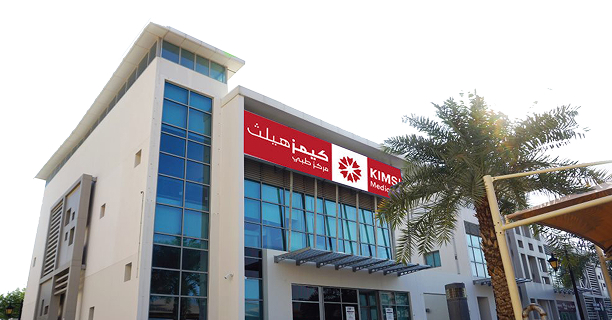
Qatar
Multispecialty medical centers delivering top-notch care to the people of Qatar.
KIMSHEALTH Qatar
3
Facilities
50+
Doctors
20+
Specialities
10+
Services
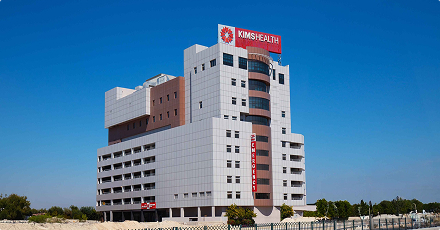
Bahrain
A trusted destination for specialised medical care supported by expert clinical professionals.
KIMSHEALTH Bahrain6
Facilities
120+
Doctors
25+
Specialities
40+
Services
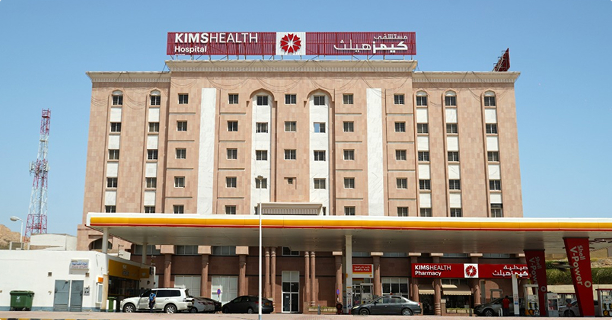
Oman
A trusted destination for specialised medical care supported by expert clinical professionals.
KIMSHEALTH Oman3
Facilities
80+
Doctors
30+
Specialties
20+
Services
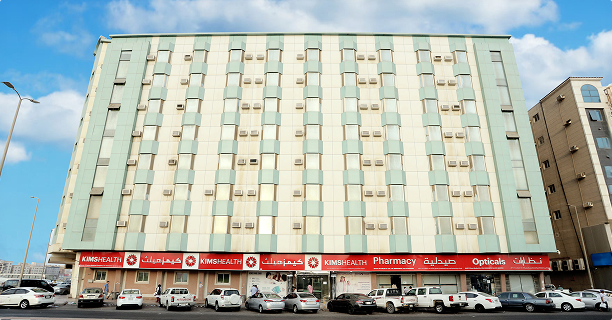
Saudi Arabia
The largest multispeciality clinic in Jubail, offering quality medical care to the citizens.
KIMSHEALTH Saudi Arabia2
Facilities
50+
Doctors
20+
Specialties
10+
Services

UAE
A trusted destination for specialised medical care supported by expert clinical professionals.
KIMSHEALTH UAE2
Facilities
40+
Doctors
15+
Specialties
40+
Services