


Post-Traumatic Stress Disorder (PTSD)

About the disease & condition
Known symptoms
- Recurrent distressing traumatic memories
- Nightmares or flashbacks
- Emotional numbness or detachment
- Hypervigilance and exaggerated startle
Known causes
- Exposure to traumatic events
- Severe emotional or physical harm
- Lack of early support
- Individual vulnerability factors
Care
- Trauma-focused psychotherapy
- Medications for anxiety or mood
- Supportive counseling
- Stress management techniques
Relevant Specialties

Psychiatry
Our Psychiatry & Behavioural Medicine team offers personalised, confidential care for mental health and addiction across all ages, delivered by psychiatrists, psychologists, social workers and specialist practitioners. Our treatment plans combine therapy, medication and practical support tailored to each individual’s needs. Our service includes 24/7 emergency psychiatry, with other specialties (including perinatal, geriatric and liaison psychiatry), and caregiver support programmes for dementia. Additionally, we provide evidence-based interventions and diagnostics, including ECT and biofeedback, as well as comprehensive psychometric testing, all underpinned by a commitment to compassionate, inclusive care.
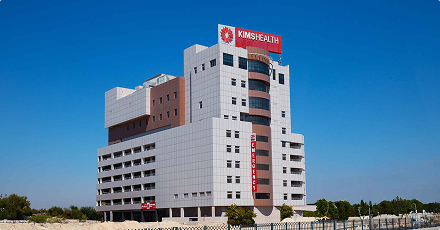
Bahrain
A trusted destination for specialised medical care supported by expert clinical professionals.
KIMSHEALTH Bahrain
6
Facilities
120+
Doctors
25+
Specialities
40+
Services
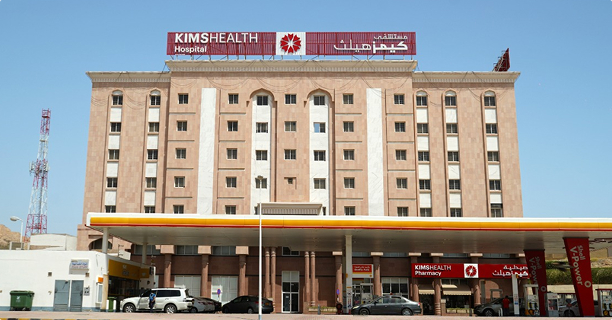
Oman
A trusted destination for specialised medical care supported by expert clinical professionals.
KIMSHEALTH Oman3
Facilities
80+
Doctors
30+
Specialties
20+
Services

Qatar
Multispecialty medical centers delivering top-notch care to the people of Qatar.
KIMSHEALTH Qatar3
Facilities
50+
Doctors
20+
Specialities
10+
Services

Saudi Arabia
The largest multispeciality clinic in Jubail, offering quality medical care to the citizens.
KIMSHEALTH Saudi Arabia2
Facilities
50+
Doctors
20+
Specialties
10+
Services