


Sjogren's Syndrome

About the disease & condition
Known Symptoms
- Glandular manifestations: Dry eyes (gritty sensation, burning, photophobia).
Dry mouth (difficulty swallowing, dental caries, oral candidiasis). Parotid gland enlargement. Extraglandular - Systemic involvement: Fatigue, arthralgia/arthritis.
Skin (dryness, vasculitis), lung (interstitial lung disease), renal (tubular acidosis). Neurological (peripheral neuropathy), hematological (cytopenias). - Red flags: Lymphoma risk (especially mucosa-associated lymphoid tissue [MALT] lymphoma). Systemic symptoms like unexplained fever or weight loss.
Known Causes
- Etiology: Genetic predisposition (e.g., HLA-DR3, HLA-DQ2, IRF5, STAT4).
Environmental triggers (e.g., viral infections like Epstein-Barr virus). - Pathophysiology: Autoantibodies (anti-Ro/SSA, anti-La/SSB) target glandular tissues. Lymphocytic infiltration causes gland dysfunction, reduced tear and saliva production, and systemic inflammation.
Care
- Prevention: No known prevention; early diagnosis to mitigate complications.
Avoid medications that exacerbate dryness (e.g., antihistamines). - Follow-up: Regular monitoring for systemic symptoms and lymphoma. Multidisciplinary care (rheumatology, ophthalmology, dentistry).
Patient education on self-management and symptom recognition.
Note: Sjögren’s syndrome is often underdiagnosed due to nonspecific symptoms. A high index of suspicion is needed, especially in women with dry symptoms and systemic features. Treatment focuses on improving quality of life and preventing organ damage.
Relevant Specialties

Rheumatology
Rheumatology is the medical specialty focused on conditions affecting the joints, muscles, and immune system.
It supports patients with a range of inflammatory and autoimmune conditions that may impact mobility, comfort, and overall quality of life. The specialty plays an important role in identifying these conditions early and managing them effectively over time.
At KIMSHEALTH, rheumatology care is delivered through a patient-first approach, focusing on accurate diagnosis, ongoing management, and helping patients maintain mobility and long-term well-being.
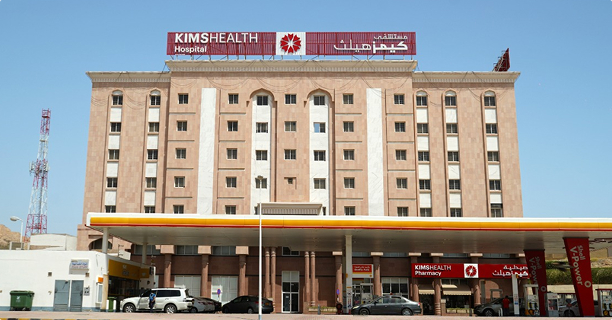
Oman
A trusted destination for specialised medical care supported by expert clinical professionals.
KIMSHEALTH Oman
3
Facilities
80+
Doctors
30+
Specialties
20+
Services