


Squint / Lazy Eye (Amblyopia & Strabismus)

About the disease & condition
Know symptoms
- Eyes not properly aligned or appearing crossed.
- Poor depth perception or difficulty judging distances.
- Tilting head to compensate for vision misalignment.
- Squinting or closing one eye to focus.
Know causes
- Refractive errors causing unequal visual input.
- Imbalance of ocular muscles controlling eye movement.
- Family history of strabismus or amblyopia.
- Premature birth or developmental ocular issues.
Care
- Early eye screening and monitoring in children.
- Use corrective lenses to address refractive errors.
- Patching therapy to strengthen the weaker eye.
- Surgical correction for persistent or severe misalignment.
Relevant Specialties

Ophthalmology
Ophthalmology focuses on the health of the eyes and vision, supporting individuals in maintaining clear sight and overall eye health.
It addresses a wide range of eye-related concerns, helping in the early identification and ongoing management of conditions that may affect vision and eye function. The specialty also plays an important role in preserving long-term visual health and quality of life.
At KIMSHEALTH, ophthalmology care is delivered through a patient-first approach, focusing on accurate evaluation, personalized care, and supporting long-term eye health and well-being.
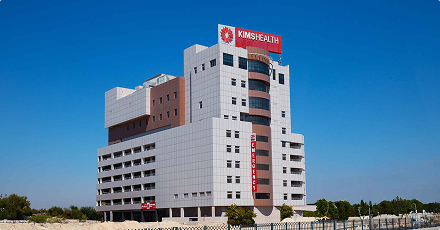
Bahrain
A trusted destination for specialised medical care supported by expert clinical professionals.
KIMSHEALTH Bahrain
6
Facilities
120+
Doctors
25+
Specialities
40+
Services

Oman
A trusted destination for specialised medical care supported by expert clinical professionals.
KIMSHEALTH Oman3
Facilities
80+
Doctors
30+
Specialties
20+
Services
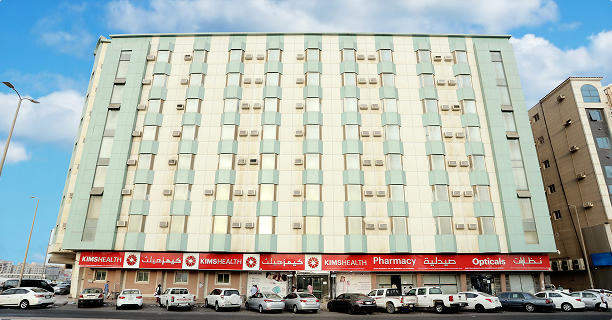
Saudi Arabia
The largest multispeciality clinic in Jubail, offering quality medical care to the citizens.
KIMSHEALTH Saudi Arabia2
Facilities
50+
Doctors
20+
Specialties
10+
Services

UAE
A trusted destination for specialised medical care supported by expert clinical professionals.
KIMSHEALTH UAE2
Facilities
40+
Doctors
15+
Specialties
40+
Services