


Cervical & Lumbar Spondylosis

About the disease & condition
Known Symptoms
- Chronic neck or lower back pain.
- Stiffness, especially in morning hours.
- Numbness or tingling in limbs.
- Reduced spinal flexibility and movement.
Known Causes
- Age-related disc degeneration.
- Poor posture over long periods.
- Repetitive strain on the spine.
- Sedentary lifestyle and weak muscles.
Care
- Regular spinal strengthening exercises.
- Maintain proper sitting posture.
- Avoid prolonged static positions.
- Physiotherapy for pain management.
Relevant Specialties

Physiotherapy
Physiotherapy is a healthcare specialty focused on restoring movement, function, and physical strength.
It supports individuals recovering from injury, illness, or physical limitations, while also helping manage long-term conditions that affect mobility and overall physical well-being. The specialty plays an important role in improving flexibility, reducing discomfort, and enhancing quality of life through guided rehabilitation.
At KIMSHEALTH, physiotherapy is delivered through a patient-first approach, with personalized care plans designed to support recovery, improve mobility, and promote long-term physical health and independence.
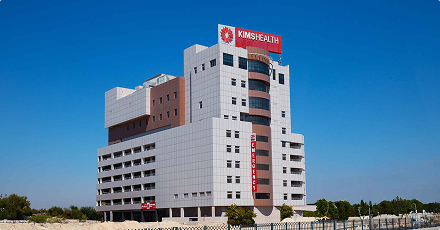
Bahrain
A trusted destination for specialised medical care supported by expert clinical professionals.
KIMSHEALTH Bahrain
6
Facilities
120+
Doctors
25+
Specialities
40+
Services
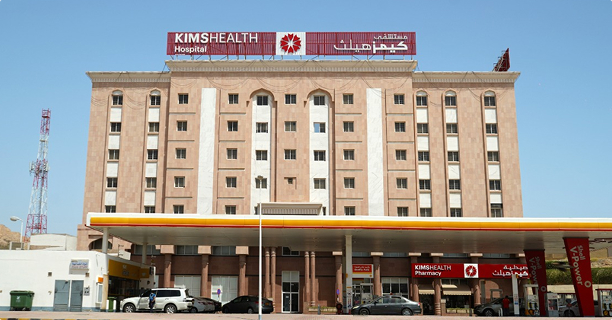
Oman
A trusted destination for specialised medical care supported by expert clinical professionals.
KIMSHEALTH Oman3
Facilities
80+
Doctors
30+
Specialties
20+
Services
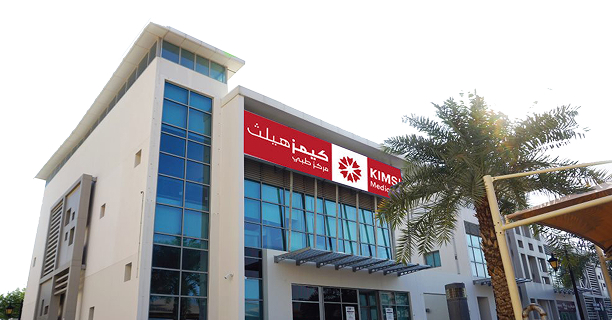
Qatar
Multispecialty medical centers delivering top-notch care to the people of Qatar.
KIMSHEALTH Qatar3
Facilities
50+
Doctors
20+
Specialities
10+
Services
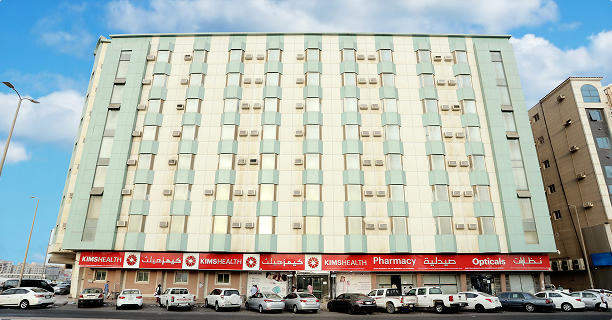
Saudi Arabia
The largest multispeciality clinic in Jubail, offering quality medical care to the citizens.
KIMSHEALTH Saudi Arabia2
Facilities
50+
Doctors
20+
Specialties
10+
Services