


Traumatic Brain Injury (TBI)

About the disease & condition
Known Symptoms
- Etiology: Falls, motor vehicle accidents, sports injuries, assaults, blast injuries (military).
- Pathophysiology: Primary injury: Immediate damage from impact (e.g., contusions, hematomas, axonal shearing).
- Secondary injury: Delayed damage from cascading processes (e.g., inflammation, excitotoxicity, oxidative stress, ischemia, elevated intracranial pressure).
Known Causes
- Mild TBI (concussion): Headache, dizziness, confusion, nausea, sensitivity to light/noise, transient loss of consciousness.
- Moderate to severe TBI:
Prolonged loss of consciousness, persistent headache, seizures, focal neurological deficits (e.g., weakness, aphasia), agitation. - Red flags: Worsening headache, repeated vomiting, unequal pupils, lethargy, seizures, focal weakness (indicating expanding hematoma or herniation).
Care
- Prevention: Use of helmets, seatbelts, fall prevention in the elderly, safe sports practices.
Public awareness campaigns.
Follow-up: Regular neurological and cognitive assessments. Long-term rehabilitation for functional recovery. Screening for psychiatric comorbidities.
Education for patients and caregivers on symptom management.
Relevant Specialties
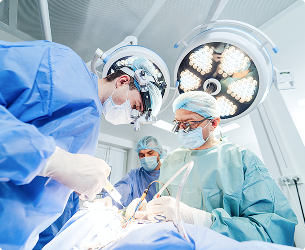
Neuro Surgery
Our Neuro Surgery Department cares for complex conditions of the brain, spine and nervous system in both adults and children, combining advanced surgical skill with thoughtful, patient-first care. Our experienced neurosurgeons work closely with neurologists, intensivists, radiologists and rehabilitation teams to decide the best treatment path—whether surgical or non-surgical—based on what is safest and most effective for each patient. We manage brain tumours, stroke and trauma emergencies, spine disorders, vascular conditions such as aneurysms and AVMs, epilepsy and nerve pain, using modern techniques including minimally invasive and endoscopic surgery to support faster recovery.
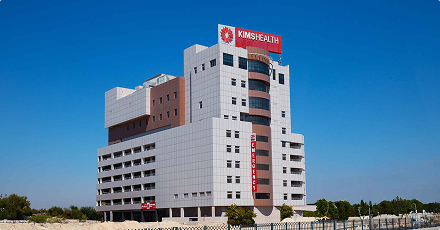
Bahrain
A trusted destination for specialised medical care supported by expert clinical professionals.
KIMSHEALTH Bahrain
6
Facilities
120+
Doctors
25+
Specialities
40+
Services
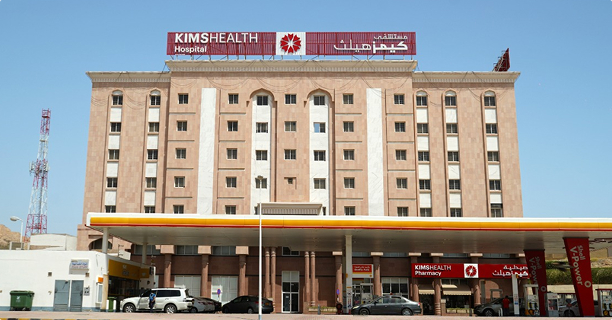
Oman
A trusted destination for specialised medical care supported by expert clinical professionals.
KIMSHEALTH Oman3
Facilities
80+
Doctors
30+
Specialties
20+
Services