


Trigeminal Neuralgia

About the disease & condition
Known Symptoms
- Classic symptoms: Unilateral, severe, brief (seconds to minutes), lancinating pain in the V1 (ophthalmic), V2 (maxillary), or V3 (mandibular) divisions. Pain triggered by light tactile stimuli (e.g., washing the face, brushing teeth, talking, wind exposure). Pain-free intervals between attacks.
- Red flags: Bilateral pain, sensory loss, or constant background pain (suggests secondary causes). Corneal reflex impairment or other neurological deficits.
Known Causes
- Primary (Classical) TN: Most commonly caused by neurovascular compression of the trigeminal nerve root entry zone by an adjacent blood vessel (e.g., superior cerebellar artery), leading to demyelination and aberrant nerve signaling.
- Secondary TN: Associated with structural lesions such as tumors (e.g., vestibular schwannoma), multiple sclerosis (demyelinating plaques), or vascular malformations.
- Pathophysiology: Ectopic impulses and ephaptic transmission between nerve fibers result in hyperexcitability and paroxysmal pain.
Care
- Prevention: No known primary prevention; early diagnosis and treatment may reduce chronicity.
- Follow-up: Regular monitoring of pain control and medication side effects. MRI surveillance if secondary cause is suspected or symptoms evolve. Long-term neurological and functional assessments. Patient education on trigger avoidance and emergency care for acute exacerbations.
Relevant Specialties
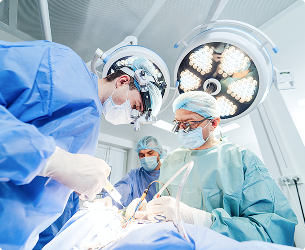
Neuro Surgery
Our Neuro Surgery Department cares for complex conditions of the brain, spine and nervous system in both adults and children, combining advanced surgical skill with thoughtful, patient-first care. Our experienced neurosurgeons work closely with neurologists, intensivists, radiologists and rehabilitation teams to decide the best treatment path—whether surgical or non-surgical—based on what is safest and most effective for each patient. We manage brain tumours, stroke and trauma emergencies, spine disorders, vascular conditions such as aneurysms and AVMs, epilepsy and nerve pain, using modern techniques including minimally invasive and endoscopic surgery to support faster recovery.
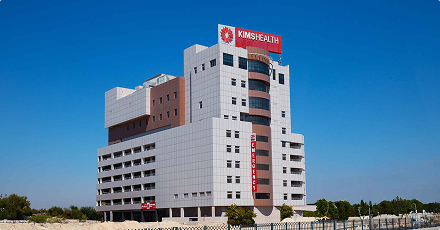
Bahrain
A trusted destination for specialised medical care supported by expert clinical professionals.
KIMSHEALTH Bahrain
6
Facilities
120+
Doctors
25+
Specialities
40+
Services
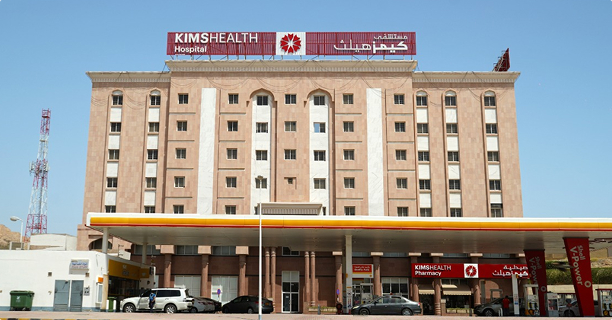
Oman
A trusted destination for specialised medical care supported by expert clinical professionals.
KIMSHEALTH Oman3
Facilities
80+
Doctors
30+
Specialties
20+
Services